
Aviation Startup Consultancy Guide for New Operators
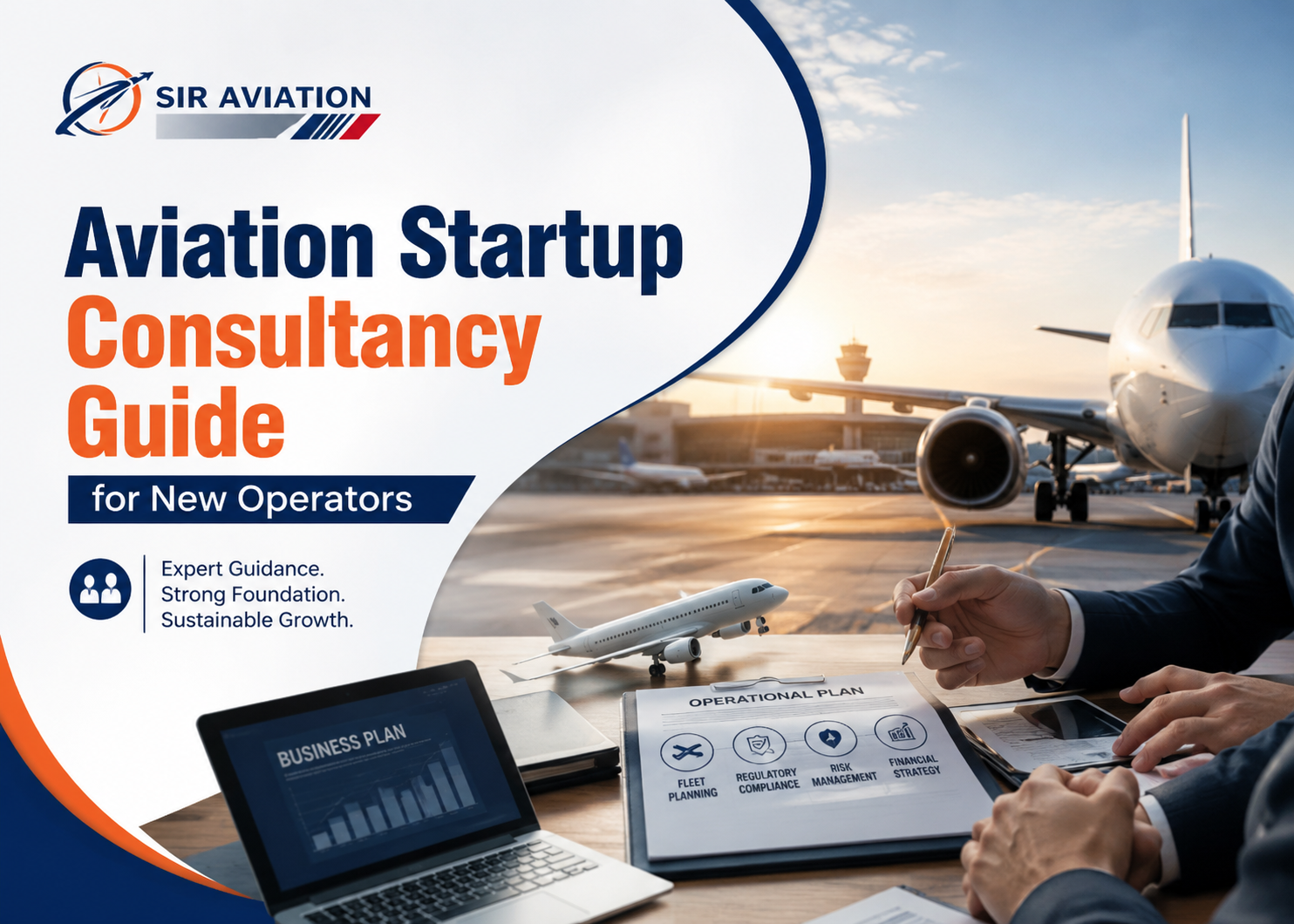
Launching an aviation business is an ambitious venture that demands careful planning, regulatory expertise, operational knowledge, and strategic financial management. Whether you are planning to establish a charter airline, aircraft leasing company, aviation training academy, cargo operator, MRO facility, helicopter service, or aerial survey enterprise, success depends on building a strong foundation from the beginning.
For entrepreneurs entering the aviation sector, professional aviation startup consultancy India services play a crucial role in transforming ideas into sustainable aviation businesses. The aviation industry is highly regulated, capital-intensive, and operationally complex. Even minor mistakes during the setup phase can result in costly delays, compliance challenges, and operational setbacks.
At SIR Aviation, we work closely with aspiring aviation entrepreneurs, investors, and organizations to help them establish efficient, compliant, and growth-oriented aviation enterprises. This detailed overview explains how aviation consultancy supports new operators and what steps are involved in building a successful aviation company.
Why Aviation Businesses Need Professional Consultancy
Many entrepreneurs enter aviation with strong business experience but limited exposure to aviation regulations and operational requirements. Aviation is unlike most industries because every activity—from aircraft acquisition to crew training—is governed by strict regulatory frameworks.
Professional aviation consultants help bridge this gap by providing expertise in:
- Regulatory approvals
- Business planning
- Financial forecasting
- Aircraft selection
- Safety management systems
- Operational setup
- Infrastructure planning
- Human resource development
- Market entry strategies
Consultants reduce risks, accelerate project timelines, and help operators make informed decisions during critical stages of business development.
Defining Your Aviation Business Model
The first step in launching an aviation enterprise is identifying the most suitable business model.
Common aviation startup categories include:
Charter Operations
Charter operators provide on-demand flight services for individuals, corporations, government agencies, and tourism sectors. This segment often attracts entrepreneurs seeking flexibility and niche market opportunities.
Scheduled Airline Operations
Scheduled airlines operate according to approved routes and timetables. These businesses require significant investment, extensive regulatory approvals, and large operational teams.
Cargo Aviation Services
The growth of e-commerce and logistics industries has increased demand for air cargo solutions. Cargo operators focus on freight transportation and supply chain efficiency.
Flying Training Organizations
Pilot shortages across global markets have increased demand for quality aviation training institutions. Establishing a flying school requires specialized infrastructure and regulatory approvals.
Aircraft Maintenance Organizations
Maintenance, Repair, and Overhaul (MRO) facilities support aircraft airworthiness and operational reliability. These businesses serve airlines, charter companies, and private aircraft owners.
Helicopter Services
Helicopter operators provide services for emergency medical transport, tourism, offshore operations, government missions, and corporate travel.
Each model requires different investments, approvals, operational structures, and staffing requirements. Aviation consultants help evaluate opportunities and align business objectives with market realities.
Conducting Market Research
Aviation businesses succeed when they address genuine market demand.
Before investing substantial capital, entrepreneurs should assess:
- Passenger demand
- Regional connectivity requirements
- Cargo transportation opportunities
- Tourism trends
- Competition levels
- Airport accessibility
- Economic growth indicators
- Corporate travel requirements
A detailed market assessment helps determine:
- Potential customer segments
- Revenue opportunities
- Service gaps
- Competitive advantages
- Expansion possibilities
Consultants provide data-driven insights that support informed investment decisions.
Developing a Strong Business Plan
Aviation investors, financial institutions, and regulatory authorities often require a detailed business plan before approving projects.
A professional aviation business plan typically includes:
Executive Summary
A concise overview of business objectives, services, target markets, and growth projections.
Market Analysis
Detailed assessment of industry opportunities and competition.
Operational Strategy
Explanation of fleet plans, staffing structures, maintenance programs, and operational procedures.
Revenue Model
Projected income sources and pricing strategies.
Financial Forecasts
Multi-year projections covering:
- Startup costs
- Operating expenses
- Revenue estimates
- Profitability timelines
- Cash flow analysis
Risk Assessment
Identification of potential risks and mitigation strategies.
A well-prepared business plan enhances investor confidence and supports long-term sustainability.
Regulatory Approvals and Licensing
Regulatory compliance is one of the most important aspects of aviation startup development.
New operators must obtain various approvals depending on their business activities.
Key approval areas often include:
- Company registration
- Aviation authority permissions
- Aircraft registration
- Air operator certifications
- Maintenance approvals
- Safety management approvals
- Security clearances
- Airport operating permissions
The approval process can be complex and time-consuming without expert support.
Aviation consultants coordinate documentation, regulatory communication, compliance reviews, and application submissions to ensure smooth processing.
Selecting the Right Aircraft
Aircraft selection directly impacts profitability, operating costs, customer satisfaction, and scalability.
Factors influencing aircraft acquisition include:
Mission Requirements
Aircraft must match operational needs and customer expectations.
Operating Costs
Fuel consumption, maintenance expenses, crew requirements, and insurance costs influence profitability.
Passenger Capacity
Choosing the right seating configuration helps maximize utilization rates.
Airport Compatibility
Aircraft performance must align with available airport infrastructure.
Future Expansion
Fleet decisions should support long-term business growth.
Consultants conduct technical and financial evaluations to identify the most suitable aircraft options.
Aircraft Acquisition Strategies
Operators generally acquire aircraft through one of three methods:
Direct Purchase
Provides full ownership but requires significant capital investment.
Operating Lease
Offers flexibility with lower upfront costs.
Finance Lease
Balances ownership benefits with manageable financing structures.
Consultants help evaluate acquisition strategies based on:
- Capital availability
- Business objectives
- Tax implications
- Fleet flexibility
- Financial risk
The right acquisition strategy significantly influences operational sustainability.
Infrastructure Planning
Aviation businesses require infrastructure that supports safe and efficient operations.
Infrastructure requirements may include:
- Office facilities
- Hangars
- Training centers
- Maintenance workshops
- Dispatch centers
- Ground support equipment
- Storage facilities
Infrastructure planning should align with projected operational growth to avoid costly future modifications.
Experienced aviation consultants help design scalable infrastructure solutions.
Establishing a Safety Management System
Safety remains the foundation of every aviation operation.
Regulators and customers expect operators to demonstrate strong safety cultures supported by documented systems and procedures.
A Safety Management System typically includes:
- Hazard identification
- Risk assessment
- Safety reporting
- Incident investigation
- Corrective actions
- Safety training programs
- Performance monitoring
A well-implemented safety framework improves operational reliability and regulatory compliance.
Building Standard Operating Procedures
Standard Operating Procedures (SOPs) ensure consistency across operations.
Comprehensive SOPs cover:
- Flight operations
- Maintenance activities
- Ground handling
- Emergency response
- Passenger services
- Security procedures
- Quality assurance processes
Consultants develop operational manuals that meet regulatory requirements while supporting efficient business operations.
Recruiting Aviation Professionals
Qualified personnel play a major role in operational success.
New operators typically require:
- Pilots
- Engineers
- Flight dispatchers
- Cabin crew
- Safety managers
- Quality managers
- Ground operations staff
- Administrative personnel
Recruitment strategies should focus on both technical competency and organizational culture.
Aviation consultancy firms often assist with workforce planning and hiring support.
Training and Competency Development
Training programs help maintain operational excellence and regulatory compliance.
Key training areas include:
- Flight safety
- Human factors
- Emergency procedures
- Aircraft systems
- Security awareness
- Crew resource management
- Regulatory compliance
Continuous learning improves performance and supports sustainable growth.
Financial Planning for Aviation Startups
Aviation businesses require substantial capital and disciplined financial management.
Common startup expenses include:
- Aircraft acquisition
- Regulatory approvals
- Infrastructure development
- Personnel recruitment
- Insurance
- Fuel reserves
- Maintenance arrangements
- Technology systems
Consultants prepare financial models that help entrepreneurs anticipate funding requirements and manage resources effectively.
Funding Options for New Operators
Several funding routes are available for aviation startups.
Private Investors
Individual investors often seek opportunities in specialized aviation sectors.
Venture Capital
Innovative aviation businesses may attract venture funding.
Strategic Partnerships
Industry partnerships can provide both capital and operational expertise.
Bank Financing
Traditional financing remains a common option for aircraft acquisition and infrastructure development.
Institutional Investment
Large-scale aviation projects may attract institutional funding.
Consultants help prepare investor presentations and financial documentation.
Technology Integration
Modern aviation operations rely heavily on technology.
Key technology solutions include:
- Flight management systems
- Crew scheduling software
- Maintenance tracking platforms
- Safety reporting systems
- Customer relationship management tools
- Financial management software
Technology investments improve operational efficiency and decision-making capabilities.
Creating an Effective Marketing Strategy
Even highly capable aviation operators require strong market visibility.
Marketing strategies should focus on:
Brand Positioning
Establishing a professional and trustworthy market presence.
Digital Marketing
Search engine optimization, content marketing, and social media engagement help attract customers.
Industry Networking
Participation in aviation events and business forums builds credibility.
Strategic Partnerships
Partnerships with travel companies, corporations, logistics providers, and government organizations can generate business opportunities.
Consultants often support market positioning and customer acquisition initiatives.
Managing Operational Risks
Every aviation business faces operational challenges.
Common risks include:
- Fuel price fluctuations
- Regulatory changes
- Economic downturns
- Workforce shortages
- Supply chain disruptions
- Aircraft availability issues
Proactive risk management strengthens business resilience and protects profitability.
Preparing for Business Expansion
Growth planning should begin during the startup phase.
Expansion opportunities may include:
- Fleet growth
- Geographic expansion
- New service offerings
- Strategic partnerships
- International operations
A scalable operating structure allows businesses to grow efficiently without compromising safety or compliance.
Why Work with SIR Aviation
Launching an aviation enterprise requires more than enthusiasm and investment. It requires strategic planning, regulatory expertise, operational knowledge, and industry experience.
SIR Aviation supports new operators through every phase of aviation business development, including:
- Feasibility studies
- Market research
- Business planning
- Regulatory approvals
- Aircraft acquisition support
- Operational setup
- Safety system development
- Compliance management
- Training and workforce planning
Our objective is to help aviation entrepreneurs establish sustainable, compliant, and profitable aviation businesses capable of long-term growth.
Final Thoughts
The aviation sector presents significant opportunities for entrepreneurs willing to invest in proper planning and professional execution. Success depends on balancing regulatory compliance, operational efficiency, financial discipline, and customer satisfaction.
Working with experienced consultants allows new operators to avoid common startup challenges while accelerating business readiness. From licensing and aircraft acquisition to safety systems and growth planning, expert guidance can make the difference between operational delays and a successful launch.
For entrepreneurs seeking reliable aviation startup consultancy services, partnering with an experienced aviation advisory team provides the expertise necessary to transform ambitious aviation concepts into thriving enterprises.
FAQs
Why do new aviation operators need consultancy services?
New operators benefit from consultancy services because aviation regulations, licensing requirements, safety standards, and operational procedures are complex and require industry expertise to navigate successfully.
How much investment is required to start an aviation company in India?
The investment varies based on the business model. Charter operators, flight schools, cargo companies, and airlines all have different capital requirements. A feasibility study helps determine accurate funding needs.
Can aviation consultants help with aircraft acquisition?
Yes. Aviation consultants assist with aircraft selection, technical evaluation, leasing negotiations, purchase assessments, financing options, and fleet planning strategies.
How long does it take to launch an aviation startup in India?
The timeline depends on the type of operation, regulatory approvals, funding availability, infrastructure readiness, and aircraft acquisition process. Professional consultancy support can significantly reduce delays.