
Aircraft Rental Company India: How Do You Choose the Right Aircraft for Your Trip?
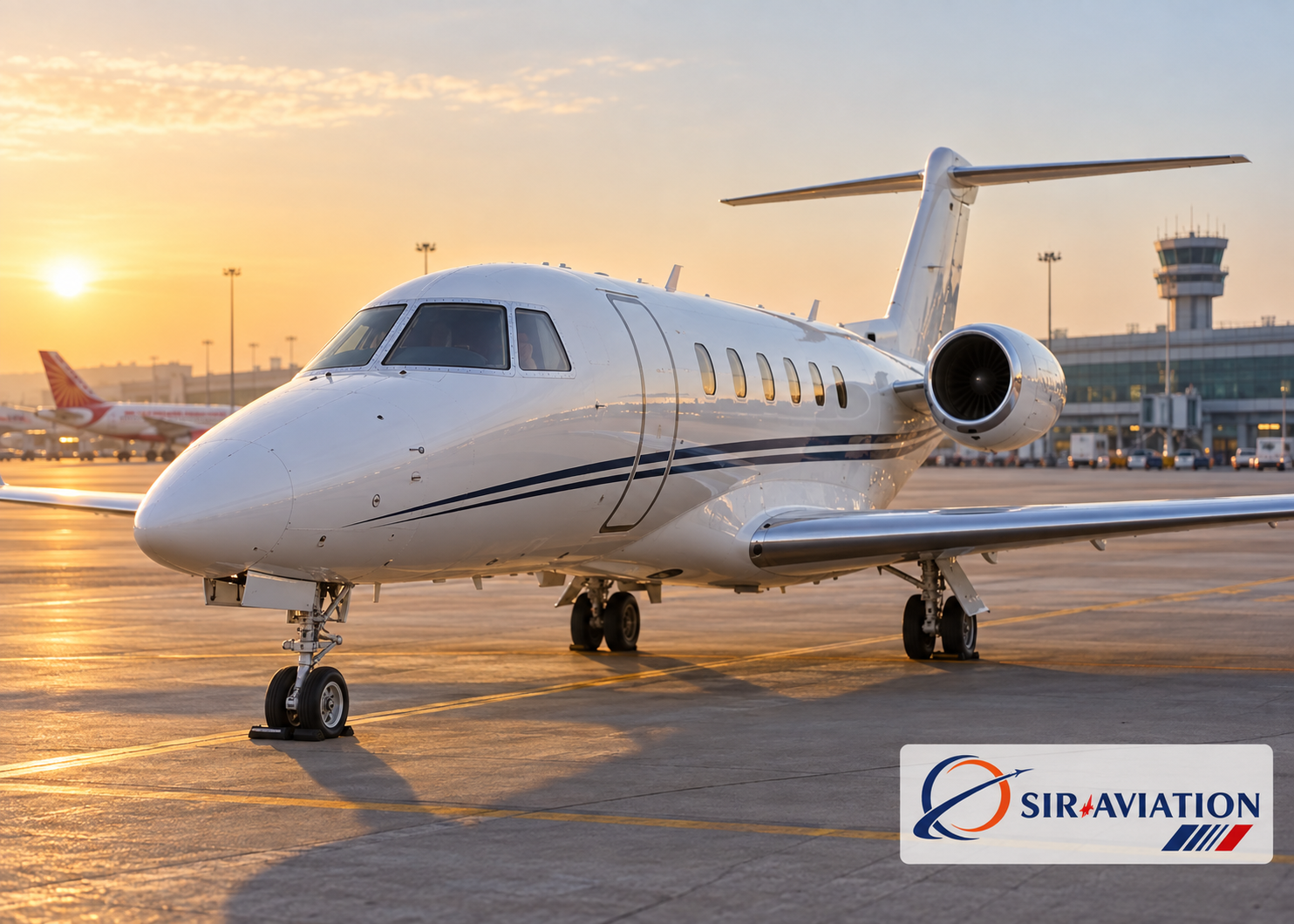
Choosing an aircraft rental company India travellers can rely on starts with a clear picture of the journey. A six-person business trip between major cities calls for a different aircraft from a family holiday with heavy luggage or a flight to an airport with limited facilities. The right choice depends on the route, passenger count, baggage, schedule and operating conditions—not simply the aircraft that looks most impressive.
Private aircraft hire can offer greater control over departure times and travel plans. Yet the value of a charter depends on whether the proposed aircraft can carry everyone comfortably, operate on the required route and meet the trip’s practical needs. Before requesting a quotation, it helps to know which details affect the recommendation.
Start With the Purpose of Your Trip
The first question is straightforward: what must this flight accomplish?
A corporate team may need to reach two cities in one day and return after meetings. A family may want a convenient departure time, room for luggage and a comfortable cabin. A group attending an event may care most about travelling together. A traveller visiting a smaller destination may prioritise access to the nearest suitable airport.
Write down the departure point, destination, preferred dates and approximate times. Add any planned stops and say whether the return time is fixed or flexible. This gives the charter team enough information to assess the route before suggesting an aircraft.
It also helps to distinguish essential requirements from preferences. If arriving before a meeting is essential, say so. If a particular cabin style would be welcome but is negotiable, say that too. Clear priorities make it easier to compare aircraft without paying for capacity or features the trip does not need.
Match the Aircraft to the Route
Distance is a useful starting point, but it cannot settle the choice on its own. The proposed aircraft must suit the entire route, including any intermediate stops and the airports at both ends.
A shorter domestic flight may suit a smaller aircraft, depending on passenger numbers and operating conditions. A longer journey or a trip with more passengers may call for an aircraft with greater range and cabin capacity. Even then, a published range figure should never be treated as a promise that a particular flight can operate nonstop.
Actual capability depends on factors such as passenger and baggage weight, fuel requirements, weather, airport conditions and the approved flight plan. An aircraft may have the range for a route in one set of conditions but require a fuel stop in another. Ask for the proposed itinerary, including any likely stops, rather than judging the trip by a model’s headline specifications.
For a journey involving several cities, look at the full sequence. An aircraft that works well for the first leg may be less suitable for a later stop. Planning the complete trip at the enquiry stage gives the operator a better basis for recommending an aircraft.
Count Passengers Before Comparing Cabins
Passenger capacity sounds simple, but the number of seats alone does not describe the experience. Begin with a confirmed headcount and include children and accompanying staff where applicable. Tell the charter team if the group may change before departure.
Next, consider how people will use the cabin. On a short flight, a practical seating arrangement may meet every need. On a longer journey, passengers may place greater value on room to work, talk or rest. A group travelling together may prefer one cabin; another may need a quieter setting for discussions.
Ask how the proposed aircraft will be configured for your flight. Cabin layouts can differ between aircraft of the same broad category. Photographs can help, but the specific aircraft and its seating plan are more useful than a general picture of the model.
Avoid booking every available seat simply because it is listed in a brochure. Passenger weight, baggage and route conditions can affect the load an aircraft can carry. The operator should assess the proposed trip and confirm the practical capacity.
Be Accurate About Baggage
Baggage is one of the easiest details to overlook when arranging a private flight. A passenger count without a luggage estimate can lead to an unsuitable recommendation.
Share the approximate number, size and weight of bags. Mention bulky items separately: presentation equipment, sports gear, musical instruments or other unusually shaped cases may need special consideration. If several passengers will carry large suitcases, make that clear even for a short flight.
The available baggage space varies by aircraft and may be affected by other operational requirements. A cabin that seats the whole party does not necessarily have room for every bag. Some items may also face carriage restrictions, so raise anything unusual before confirming the booking.
For a return journey, consider whether the group will bring back more than it takes out. A realistic baggage estimate at the outset can prevent last-minute changes to the aircraft or travel plan.
Check the Airports, Not Just the Cities
A charter request often begins with two city names. Aircraft selection requires more detail: which airports can the aircraft use, and which airport best serves the traveller’s destination?
The closest airport on a map may not be the most practical choice. Runway characteristics, airport operating hours, available services and local conditions can affect whether a proposed flight can use it. The aircraft operator must assess these matters for the specific flight.
Ground travel matters as well. An airport farther from the city centre may still offer a better overall schedule if it suits the route and departure time. Ask for the expected airport-to-destination journey at both ends, especially when timing is important.
If your itinerary includes a smaller city, share the final address or area you need to reach. The charter team can then evaluate suitable airports and explain how each option affects the trip.
Decide How Much Schedule Flexibility You Need
One reason travellers consider aircraft hire is the ability to request a flight around their plans. That flexibility still works within operational limits. Airport hours, crew availability, weather and required permissions can affect departure and arrival times.
Give a preferred time and an acceptable window. If a meeting may finish early or late, explain how much notice you could provide for a change. For a same-day return, include the earliest and latest times you might leave.
It is useful to ask what happens if the schedule changes after confirmation. Can the departure time move? Would a change affect the price, aircraft or crew arrangements? How far in advance should you notify the provider? Answers to these questions are especially valuable for business trips with uncertain finishing times.
A clear schedule discussion also prevents a common misunderstanding: a requested departure time is not the same as a confirmed operating plan. Make sure the final itinerary reflects the agreed timings.
Compare Aircraft Categories by Need
Aircraft categories give travellers a helpful way to narrow the options, though individual models and configurations still need assessment.
Smaller aircraft may suit a limited passenger group and a relatively short route. They can be worth considering when the priority is a practical flight for a modest number of people. Capacity, baggage space and airport suitability should be checked for the specific journey.
Business jets come in different sizes and offer a range of cabin arrangements and operating capabilities. A smaller jet may fit a compact group, while a larger aircraft may better serve a longer itinerary, more passengers or greater cabin-space needs. The best category depends on the trip rather than the prestige associated with the aircraft.
Turboprop aircraft may also be considered for suitable routes. Depending on the model and airport, they can be a practical option for regional travel. Flight time, passenger comfort and total journey time should all be compared with other available choices.
Helicopters serve a different purpose on some itineraries. They may help with a shorter connection where suitable landing arrangements exist, but their passenger capacity, baggage allowance and operating conditions differ from those of fixed-wing aircraft.
Ask why a particular aircraft has been recommended. A useful answer should connect its capacity and capability to your route, passengers, luggage and timing.
Look Beyond the Headline Charter Price
The lowest initial quotation is not always the best value. Two offers may cover different services or make different assumptions about the trip.
Request a written quotation that identifies the proposed aircraft, route, passenger count, travel dates and expected schedule. Ask which charges are included and which may change. Depending on the itinerary and arrangement, costs can be affected by aircraft positioning, waiting time, overnight requirements, airport charges or changes requested after confirmation.
Pay close attention to the pricing basis. If an aircraft must travel to your departure airport before collecting passengers, that movement may affect the quotation. A multi-city trip may also be priced differently from a direct return flight. Clear route details help make comparisons fair.
Ask what the quote assumes about baggage, timing and stops. If you receive two offers for different aircraft, compare the practical outcome: travel time, cabin fit, luggage capacity and the total quoted cost. An aircraft with a higher flight price may still make sense if it better meets a firm schedule; a larger cabin may offer little value when the group does not need it.
Confirm Who Will Operate the Flight
When arranging an aircraft, find out who will actually operate it. In India, the Directorate General of Civil Aviation sets requirements for operators providing non-scheduled air transport services. The party handling your enquiry and the operator conducting the flight may be different, so the distinction is worth clarifying.
Ask for the operating company’s name and the details of the proposed aircraft. Confirm who will issue the flight information, communicate changes and handle questions before departure. A clear point of contact is particularly helpful when several passengers are travelling from different locations.
You can also ask how the operator will address an aircraft becoming unavailable. No provider can promise that disruptions will never occur, but they should be able to explain how they would communicate a change and what options they would examine.
Safety decisions belong with the authorised operator and flight crew. If weather or another operational issue requires a delay, a different route or a cancellation, the booking plan must allow for that decision.
Prepare the Passenger Details Early
Once the aircraft and itinerary are agreed, the provider will need accurate passenger information. Share names and required travel details by the stated deadline, and tell the team promptly if anyone changes.
For an international itinerary, allow time to confirm applicable travel documents, entry requirements and flight arrangements. For any trip, ask what identification passengers should carry and where they should report at the airport. These details can vary by journey, so rely on the instructions provided for your confirmed flight.
Tell the provider about assistance needs in advance. If a passenger has reduced mobility, is travelling with an infant or needs help with a particular part of the journey, early notice allows the team to assess what can be arranged on the proposed aircraft and at the airports.
Use a Practical Checklist Before Booking
Before accepting an offer, make sure you can answer these questions:
- Does the proposed aircraft accommodate the confirmed passengers and their baggage?
- Can it serve the planned route and airports under the expected operating conditions?
- Does the itinerary show any likely fuel or intermediate stops?
- Are the departure times and acceptable changes clear?
- Does the written quotation explain the price and possible additional charges?
- Do you know which company will operate the flight?
- Have you received the booking terms and a clear contact for trip updates?
You do not need to choose an aircraft model before making an enquiry. Providing an accurate brief is more useful. Share the route, dates, passenger count, baggage estimate and any firm arrival deadline; then assess each recommendation against those requirements.
How SIR Aviation Can Help You Plan
SIR Aviation can discuss your itinerary and help identify aircraft options that fit the purpose of the journey. Whether you are planning a business visit, a family trip or travel involving several destinations, the enquiry should begin with the details that matter most: where you need to go, who is travelling and when you must arrive.
Ask for an explanation of the proposed aircraft and the assumptions behind the quotation. A sound recommendation should make the trade-offs easy to see, including cabin size, airport access, route planning and cost. That gives you a firmer basis for booking than an aircraft name or an attractive image alone.
Conclusion
The right aircraft is the one that suits your complete journey. Start with accurate passenger, baggage and route details. Then compare suitable options by airport access, schedule, cabin fit, operating arrangements and the full quoted price. A careful enquiry gives SIR Aviation the information needed to recommend a practical option—and gives you the confidence to assess it.
FAQs
Which aircraft is suitable for a short domestic trip in India?
That depends on the passenger count, luggage, airports and timing. A smaller aircraft or turboprop may suit some regional journeys, while another route may call for a jet. Share the full itinerary with the provider so the operator can assess the available aircraft for that particular flight.
Can I request a specific departure time for a rented aircraft?
Yes, you can state your preferred departure time when enquiring. The final time depends on aircraft and crew availability, airport arrangements and operating conditions. Give an acceptable time window if possible, and check when the schedule will be confirmed and how later changes would affect the booking.
What information should I provide to obtain an aircraft rental quotation?
Provide the departure and destination cities, travel dates, preferred times, passenger count and baggage estimate. Add any intermediate stops, return plans, special assistance needs and firm arrival deadlines. If your schedule may change, mention that too. Detailed information helps the provider propose a suitable aircraft and a clearer quotation.