
Air Charter Operators India: How to Choose the Right Service for Your Travel Needs
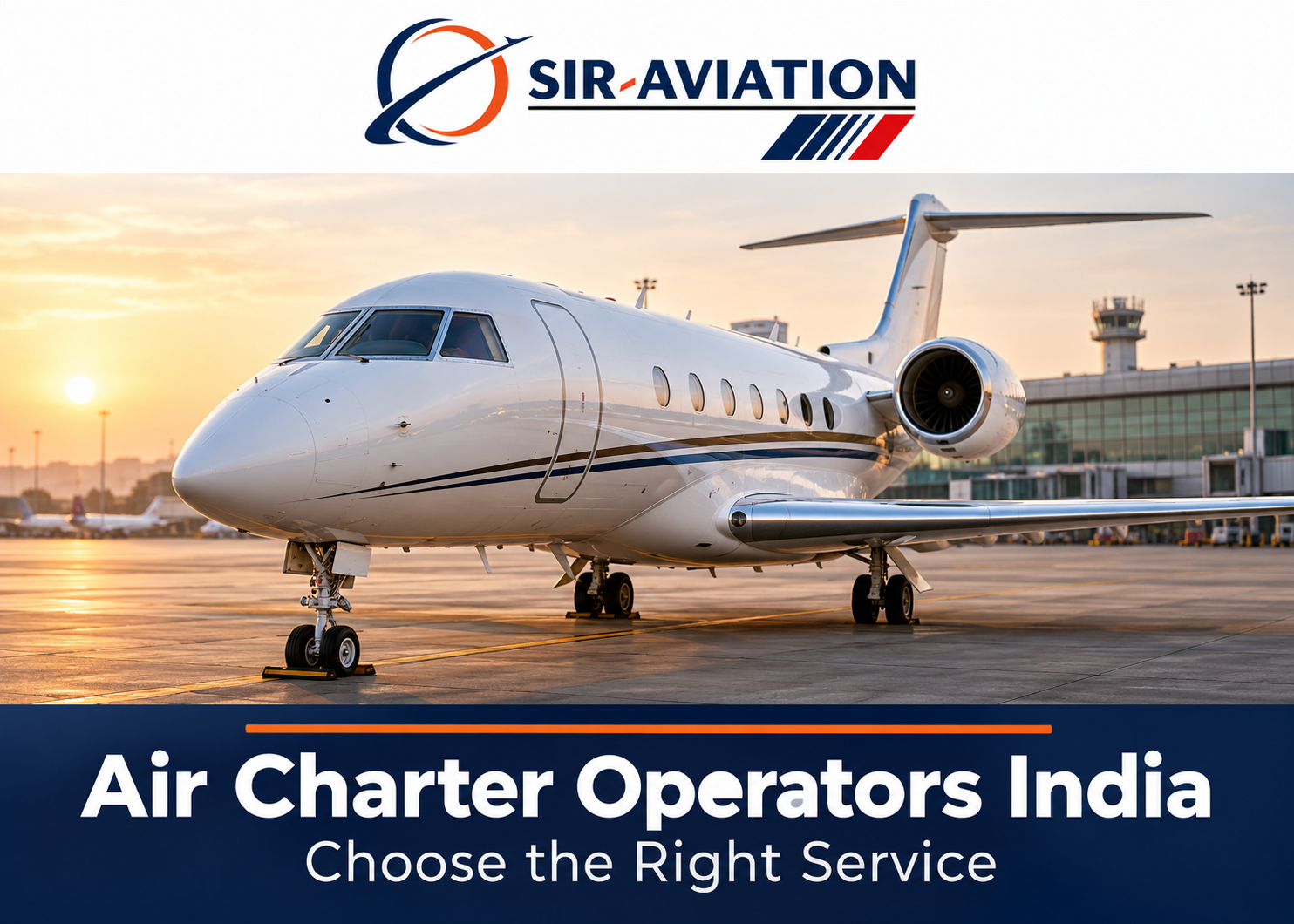
Searching for air charter operators India involves more than comparing aircraft photographs and hourly rates. Your choice should reflect your route, schedule, passenger requirements and budget.
Business trips, family holidays and special occasions each demand different arrangements. A suitable charter service connects these requirements with a practical aircraft and clearly defined terms.
For your enquiry with SIR Aviation, start with your travel priorities. The following considerations will help you assess proposals and ask useful questions before booking.
What Does an Air Charter Operator Do?
An air charter operator conducts flights arranged around a customer’s agreed itinerary. A whole-aircraft charter gives your group exclusive use of the booked aircraft.
You negotiate departure times and destinations, subject to operational feasibility. Aircraft availability, airport access, weather and crew scheduling still influence the final arrangements.
A charter booking can involve a direct operator, a broker or another coordinating business. Establish each party’s role before accepting a proposal.
Ask who will operate the aircraft, who will issue your contract and who will handle payments, amendments and operational updates.
When Does Charter Travel Make Sense?
Charter travel deserves consideration when scheduled flights create inconvenient connections, lengthy waits or difficulty reaching your destination within the available time.
However, compare the entire journey. Airport transfers, boarding arrangements and onward road travel can affect whether a charter delivers meaningful time savings.
Business and Corporate Travel
For business travellers, the strongest benefit may involve visiting several locations within a tightly organised itinerary.
A team attending meetings in different cities should assess arrival deadlines, meeting durations and return flexibility before selecting an aircraft.
Private cabins also offer a separate space for conversations. Confirm seating arrangements and onboard facilities if your team intends to work during the flight.
Family Holidays and Special Occasions
Families may value travelling together, choosing convenient departure windows and avoiding complicated connections.
Share requirements involving children, older passengers, mobility assistance or substantial luggage early. These details can influence both aircraft selection and ground arrangements.
For weddings or celebrations, confirm passenger numbers before requesting quotations. A larger group may require a different aircraft category or multiple flights.
Define Your Travel Requirements First
A precise travel brief helps providers recommend suitable options. Vague enquiries often produce quotations that require substantial revision once the details emerge.
Prepare the following information:
- Departure city and preferred airport.
- Destination and final ground location.
- Travel dates and acceptable departure windows.
- Passenger numbers for every flight sector.
- Luggage quantities, dimensions and approximate weights.
- One-way, return or multi-city requirements.
- Accessibility needs and other essential assistance.
- Budget expectations and flexibility.
Distinguish essential requirements from preferences. An arrival deadline may be essential, while a particular cabin colour or aircraft brand may simply be desirable.
For example, six passengers carrying presentation equipment need an assessment covering baggage space and payload, alongside the number of available seats.
Check the Identity and Authorisation of the Operator
Ask for the legal name of the company conducting your flight. A trading name or booking platform alone does not establish the operating entity.
DGCA maintains a certification framework for non-scheduled passenger air transport operators. Check the proposed operator’s current authorisation and its applicability to your booking.
Request the proposed aircraft registration and model when available. Ask the provider to explain how you can verify the relevant operator information.
Keep operational responsibility separate from booking coordination. Your contact should clearly identify who makes flight decisions and communicates any aircraft changes.
Avoid treating attractive interiors, celebrity photographs or promotional statements as evidence of operational suitability. Request clear answers supported by relevant documentation.
Select an Aircraft That Fits the Journey
The right aircraft balances route length, passenger load, baggage, airport suitability and comfort. Choosing solely by appearance can lead to avoidable compromises.
Turboprop Aircraft
Turboprops may offer a practical option for certain regional journeys. Ask the operator to assess the proposed aircraft against your route and airport requirements.
Compare cabin layout, baggage capacity and expected journey time. A suitable turboprop may meet your needs without the cost of a larger jet.
Light and Midsize Jets
Light jets can suit smaller groups, while midsize aircraft may offer additional cabin space and different range capabilities.
Category names alone do not establish suitability. Request details for the actual aircraft, including seating configuration, luggage arrangements and any anticipated fuel stops.
Larger Business Jets
Larger jets may suit longer journeys or passengers seeking additional cabin space. Their value depends on your itinerary and the available aircraft.
Check whether the proposed configuration provides the facilities you expect. Sleeping arrangements, connectivity and cabin service vary between individual aircraft.
Helicopters
Helicopters may suit journeys where an appropriate landing location improves access. Ask the provider to confirm landing feasibility and required arrangements.
Do not assume that any open space can serve as a landing site. Obtain confirmation before organising accommodation, events or onward transport around it.
Look Beyond the Published Seat Count
An aircraft’s seating capacity does not automatically confirm that it can carry your entire group, luggage and required fuel on a particular journey.
Ask the operator to assess the actual passenger and baggage load. Share accurate information, especially when carrying heavy cases, equipment or unusual items.
Request photographs or a layout of the proposed cabin. Check legroom, seat orientation, baggage access and toilet facilities against your group’s expectations.
For passengers with reduced mobility, ask about boarding steps, doorway dimensions and available assistance. Describe the assistance required rather than relying on general accessibility claims.
Confirm Airport and Route Practicality
A nearby airport may look convenient on a map but still require a longer road transfer than expected.
Compare the complete route from your starting address to your final destination. Ask which airport the proposal assumes and why it suits the journey.
Confirm operating hours, available handling arrangements and any restrictions relevant to the proposed flight.
For international travel, ask about immigration, customs, travel documents and required permissions. Confirm responsibilities and expected preparation time before committing to a departure date.
Multi-city itineraries deserve particular attention. A delayed meeting can affect later sectors, aircraft availability and the crew’s remaining operating time.
Compare the Total Charter Cost
An hourly flying rate rarely provides enough information for a fair comparison. Request a written quotation covering the complete proposed itinerary.
Ask providers to distinguish fixed charges, estimates and costs that depend on actual operations.
Aircraft Positioning
The aircraft may need to fly from its base to collect your passengers. Ask whether the quotation includes these positioning sectors.
Check return positioning as well. Two proposals for the same passenger route may differ because the aircraft start from different locations.
Airport and Ground Charges
Ask whether the price includes landing, parking, handling and passenger-related airport charges.
Confirm ground transport separately. A transfer between the terminal and your hotel may require an additional booking and payment.
Crew and Waiting Costs
An overnight stay or extended wait may affect the quotation. Ask how the provider calculates crew accommodation, allowances and additional waiting charges.
For return journeys, compare keeping the aircraft nearby with releasing it between flights. Request both options when the itinerary allows.
Taxes and Additional Services
Check whether applicable taxes appear in the quoted total. Confirm charges for catering, connectivity, special assistance and other requested services.
Compare quotations using identical assumptions. A lower initial figure may exclude services or flight sectors included in another proposal.
Balance Price with Operational Clarity
A sensible charter decision combines commercial value with transparent arrangements. The cheapest quotation may still suit your needs if its scope and conditions remain clear.
Ask each provider the same questions. Consistent enquiries make differences easier to identify and reduce reliance on persuasive sales language.
Useful comparison points include:
- Named operating company.
- Proposed aircraft and configuration.
- Route and anticipated fuel stops.
- Total price and exclusions.
- Payment deadlines.
- Amendment and cancellation conditions.
- Aircraft substitution arrangements.
- Named operational contact.
Avoid paying before you know what the quotation covers. Clarify ambiguous wording and obtain any agreed changes in writing.
Assess Communication Before You Book
The enquiry stage offers an opportunity to assess how carefully a provider handles your requirements.
Look for responses that address your specific route and passenger needs. Repeatedly receiving generic aircraft descriptions may indicate that important details remain unresolved.
Ask who will contact you outside normal office hours. Confirm how the provider will communicate departure instructions, revised timings and operational changes.
A useful contact should explain uncertainty directly. Aircraft availability and departure feasibility require confirmation rather than assumptions.
Keep your own decision process organised. Nominate one person to approve changes so different passengers do not issue conflicting instructions.
Read Cancellation and Substitution Terms Carefully
Your contract should explain what happens if you cancel, change passenger numbers or request a different departure time.
Ask how cancellation charges change as departure approaches. Establish whether deposits remain refundable and what deductions may apply.
Check the arrangements for weather disruption, technical issues and airport restrictions. Ask about refunds, rescheduling and responsibility for additional expenses.
If the provider proposes a substitute aircraft, confirm the approval process. Compare seating, baggage capacity, facilities and any price difference before accepting.
Do not assume that replacement transport will always remain available. Ask what practical support the provider can offer if the original flight cannot proceed.
Consider Empty-Leg Flights with Care
An empty-leg opportunity involves an aircraft sector that would otherwise operate without the booked charter passengers.
Such flights may offer attractive pricing when your itinerary aligns with the aircraft’s planned movement. However, flexibility becomes especially important.
Ask whether another customer’s booking determines the flight’s timing or availability. Confirm what happens if that underlying itinerary changes.
Assess alternatives before using an empty leg for an essential appointment. A discounted fare provides limited value if disruption leaves no workable replacement.
Request written terms covering cancellation, passenger changes, luggage and additional charges before treating the opportunity as a confirmed travel solution.
Book Early and Prepare for Departure
Early enquiries provide more time to assess aircraft options and resolve operational questions. Availability still depends on the itinerary and the aircraft under consideration.
Provide passenger details through the agreed channel and confirm the identification documents required for your journey.
Ask for the reporting location, recommended arrival time and contact details for the departure team.
Share baggage changes before travelling to the airport. Extra cases or equipment can affect the suitability of the agreed aircraft.
Confirm catering preferences and assistance requests in advance. Give the provider enough detail to assess what it can arrange.
Before departure, review the final itinerary, passenger list and onward transfers. Small administrative errors can create unnecessary delays.
Discuss Your Travel Plans with SIR Aviation
A productive enquiry starts with a clear description of what your journey needs to achieve.
When contacting SIR Aviation, share your route, travel dates, passenger count and baggage requirements. Include any fixed appointments or essential arrival deadlines.
Ask for a proposal that identifies the operating arrangements, aircraft option and complete commercial terms.
For a complex itinerary, request alternatives where practical. Comparing different departure windows or aircraft categories can reveal a more suitable balance of time and cost.
Keep the discussion focused on your priorities. Comfort matters, but route feasibility, clear responsibilities and realistic scheduling deserve equal attention.
Conclusion
Choosing an air charter service requires careful attention to aircraft suitability, operating responsibility, total pricing and contractual terms.
Start with a precise travel brief, compare equivalent proposals and resolve uncertainties before payment.
Discuss your requirements with SIR Aviation and request clear written arrangements that reflect your schedule, passenger needs and budget.
Frequently Asked Questions
What determines the cost of chartering an aircraft in India?
Costs depend on the aircraft, itinerary, positioning flights, airport charges, waiting time and requested services. Taxes and overnight arrangements may also affect the total.
Request an itemised quotation and ask which charges remain estimates. An hourly rate alone does not establish the complete journey cost.
Can I charter a flight to a smaller Indian city?
A charter may serve a smaller city when a suitable airport, aircraft and operational arrangements are available.
Ask the operator to confirm feasibility for your specific dates and passenger load. Include onward road travel when comparing destination airports.
What information should I send SIR Aviation for a charter enquiry?
Send your departure point, destination, dates, preferred timings, passenger count and baggage details. Add return requirements, assistance needs and budget expectations.
Mention any fixed arrival deadline. These details support a more relevant proposal and reduce revisions during the booking discussion.