
Role of Aircraft Logistics Services in Emergency Operations
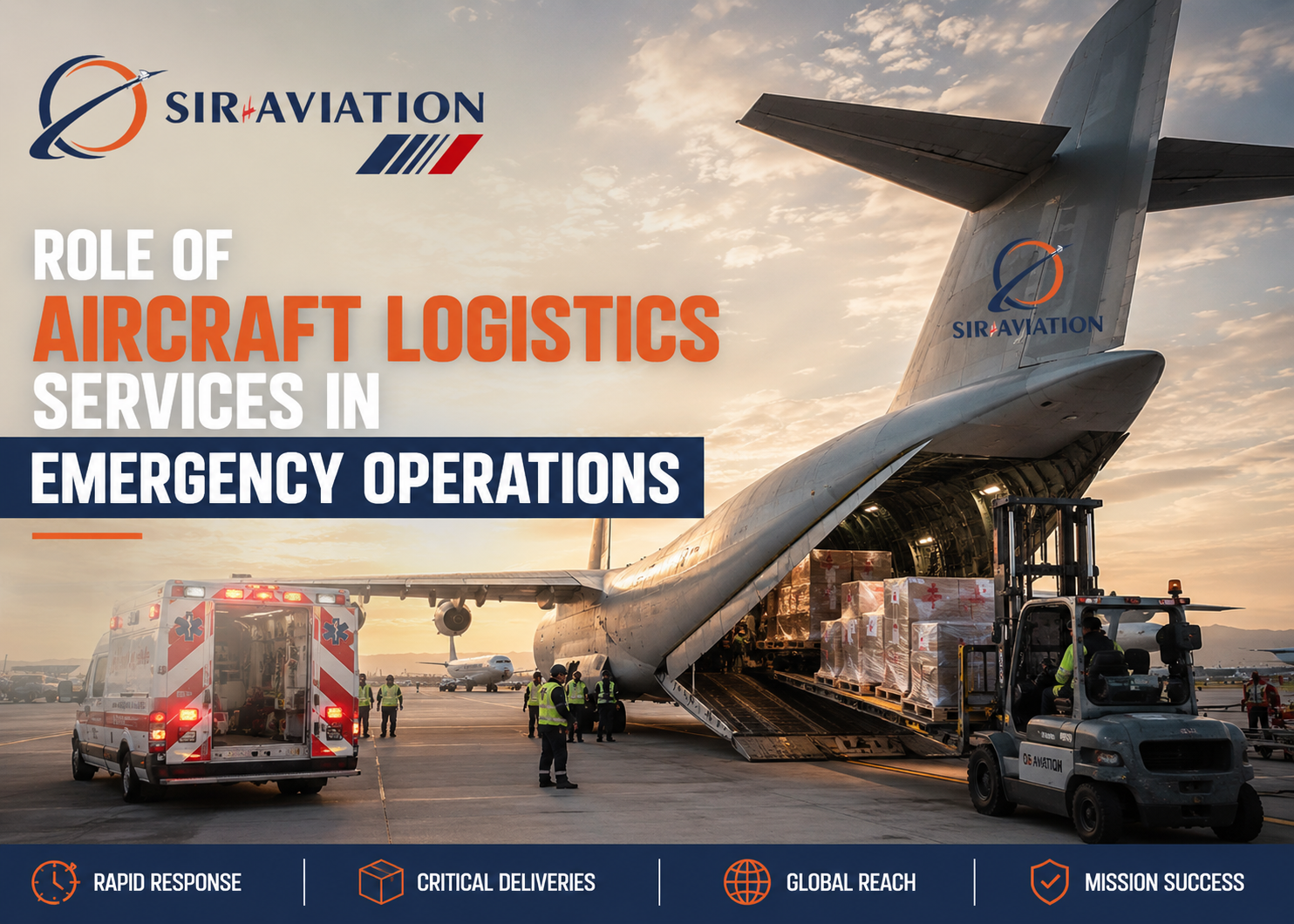
When every minute matters, aircraft logistics services become a critical part of emergency response. Whether responding to natural disasters, medical evacuations, humanitarian relief, industrial accidents, or urgent government missions, aviation logistics helps move people, equipment, medicines, and essential supplies without delay. Ground transportation often faces challenges such as damaged infrastructure, heavy traffic, or inaccessible locations. Aircraft provide the speed, flexibility, and reach required to overcome these barriers.
Emergency operations demand careful coordination, experienced flight planning, regulatory compliance, and reliable aircraft availability. Companies like SIR Aviation play an important role by delivering dependable aviation logistics solutions that support organizations during high-pressure situations. From transporting relief teams to moving life-saving medical cargo, aircraft logistics continues to strengthen emergency preparedness across multiple sectors.
Why Aircraft Logistics Matters During Emergencies
Emergency situations rarely provide the luxury of time. Every decision influences the safety of affected communities and response teams. Aircraft logistics enables organizations to respond faster than conventional transport methods.
Several emergency scenarios depend heavily on aviation logistics, including:
- Natural disasters
- Medical emergencies
- Humanitarian aid distribution
- Search and rescue missions
- Industrial accidents
- Military support operations
- Government emergency response
- Firefighting operations
- Offshore rescue missions
Aircraft can access locations where roads have become unusable or where transportation infrastructure has been severely damaged. This capability often becomes the deciding factor in saving lives.
Speed Becomes the Biggest Advantage
Time is often the most valuable resource during emergencies.
Aircraft dramatically reduce travel time by transporting personnel, medical teams, rescue equipment, communication systems, food supplies, and emergency medicines directly to affected regions.
Instead of waiting several hours or days for road transport, emergency supplies can arrive within a much shorter period. This rapid response improves survival rates and helps emergency agencies begin recovery operations sooner.
Fast deployment also reduces the pressure on local emergency services that may already be overwhelmed.
Delivering Critical Medical Support
Healthcare emergencies frequently require immediate transportation.
Aircraft logistics supports medical operations by transporting:
- Organ transplant teams
- Emergency medicines
- Blood units
- Vaccines
- Medical equipment
- Ventilators
- Mobile hospitals
- Critical care specialists
- Emergency response doctors
Air ambulances also provide immediate medical evacuation for critically injured patients who require specialized treatment unavailable at local healthcare facilities.
Quick transportation can significantly improve patient outcomes during trauma cases.
Supporting Disaster Relief Operations
Natural disasters often destroy roads, bridges, airports, communication systems, and public infrastructure.
Aircraft logistics becomes one of the few transportation options capable of reaching isolated communities.
Emergency aircraft commonly transport:
- Food supplies
- Drinking water
- Temporary shelters
- Blankets
- Emergency generators
- Communication equipment
- Medical supplies
- Relief personnel
Helicopters are especially valuable because they can land in locations where conventional aircraft cannot operate.
Their flexibility allows relief organizations to continue operations even in difficult terrain.
Moving Specialized Emergency Equipment
Many emergency missions require equipment that cannot be sourced locally.
Aircraft logistics services make it possible to transport:
- Rescue boats
- Firefighting equipment
- Portable cranes
- Satellite communication systems
- Water purification units
- Portable power stations
- Hazardous material response equipment
- Engineering machinery
The ability to move specialized cargo quickly helps emergency teams begin operations immediately after arrival.
Coordinating Multi-Agency Response
Emergency operations often involve collaboration between:
- Government agencies
- Armed forces
- Disaster management authorities
- Healthcare organizations
- NGOs
- International relief agencies
- Private companies
Aircraft logistics providers coordinate flight schedules, cargo loading, customs documentation, landing permissions, crew planning, fuel arrangements, and ground handling.
Strong coordination prevents delays while ensuring that every flight supports the larger emergency mission.
Reaching Remote and Inaccessible Areas
Certain emergencies occur in places where transportation is extremely limited.
Examples include:
- Mountain regions
- Islands
- Dense forests
- Desert locations
- Offshore installations
- Flood-affected villages
Aircraft provide direct access to these locations without depending on damaged road networks.
Helicopters can also perform precision landings, making them ideal for rescue operations in difficult environments.
Supporting Humanitarian Relief Missions
Humanitarian organizations depend on aviation logistics during large-scale crises.
Aircraft transport:
- Food assistance
- Emergency shelters
- Medical volunteers
- Relief coordinators
- Water purification systems
- Hygiene kits
- Child nutrition supplies
- Emergency communication devices
International relief operations frequently involve multiple destinations within tight timelines.
Aircraft logistics ensures aid reaches the right location without unnecessary delays.
Search and Rescue Operations
Search and rescue missions require rapid deployment across large geographical areas.
Aircraft assist by:
- Conducting aerial surveillance
- Transporting rescue teams
- Delivering survival supplies
- Locating stranded individuals
- Providing aerial communication support
- Evacuating injured victims
Modern aircraft equipped with advanced navigation systems significantly improve rescue efficiency during floods, earthquakes, maritime emergencies, and aviation incidents.
Transporting Dangerous Goods Safely
Emergency situations sometimes involve hazardous materials.
Aircraft logistics providers follow strict international safety procedures when transporting:
- Medical oxygen
- Chemicals
- Radioactive medical materials
- Laboratory samples
- Hazardous medical waste
- Industrial emergency equipment
Compliance with aviation safety regulations ensures secure transportation without creating additional risks.
Aircraft Logistics During Disease Outbreaks
Public health emergencies require fast transportation of medical resources.
Aircraft logistics supports governments and healthcare organizations by transporting:
- Vaccines
- Testing equipment
- Personal protective equipment
- Laboratory samples
- Medical professionals
- Emergency medical infrastructure
Rapid distribution helps healthcare systems respond more effectively during widespread disease outbreaks.
Military and Government Emergency Support
Governments frequently rely on aviation logistics for emergency preparedness.
Aircraft assist in:
- Civil protection missions
- Border emergencies
- National disaster response
- Emergency evacuations
- Strategic equipment transportation
- Relief coordination
Military aircraft may also support civilian authorities when additional transportation capacity becomes necessary.
Importance of Flight Planning
Every emergency mission requires careful planning.
Professional logistics teams evaluate:
- Aircraft availability
- Airport conditions
- Weather forecasts
- Air traffic restrictions
- Fuel planning
- Payload limitations
- Landing permissions
- Alternate airports
- Crew availability
Efficient planning minimizes operational risks while ensuring timely mission completion.
Managing Time-Sensitive Cargo
Emergency cargo often has strict delivery deadlines.
Examples include:
- Blood plasma
- Human organs
- Emergency medicines
- Vaccines
- Perishable medical supplies
- High-value medical equipment
Aircraft logistics providers use priority scheduling to ensure sensitive cargo reaches its destination within the required timeframe.
Technology Improves Emergency Aviation Logistics
Modern technology has transformed emergency logistics operations.
Advanced systems support:
- Flight tracking
- Cargo monitoring
- Digital documentation
- Route optimization
- Weather monitoring
- Satellite communication
- Emergency coordination
- Fuel management
Real-time information allows decision-makers to adjust operations quickly when conditions change.
Regulatory Compliance Remains Essential
Emergency operations still require compliance with aviation regulations.
Aircraft logistics teams manage:
- Flight permits
- Customs clearance
- Cargo documentation
- Dangerous goods regulations
- International aviation standards
- Security requirements
Experienced logistics providers understand these procedures and reduce administrative delays.
The Role of Experienced Aviation Professionals
Aircraft alone cannot guarantee successful emergency missions.
Skilled professionals coordinate every stage of the operation.
Their responsibilities include:
- Flight dispatch
- Operational planning
- Cargo coordination
- Ground handling
- Aircrew scheduling
- Regulatory approvals
- Risk assessment
- Communication with emergency agencies
Experienced aviation teams help maintain safety while operating under significant pressure.
Supporting Industrial Emergency Response
Industrial sectors often face emergencies requiring immediate aviation support.
Examples include:
- Oil and gas incidents
- Mining accidents
- Power plant emergencies
- Chemical facility incidents
- Offshore platform evacuations
Aircraft logistics enables companies to move technical experts, repair equipment, emergency responders, and replacement parts rapidly.
This minimizes downtime while improving personnel safety.
Weather Challenges in Emergency Operations
Weather conditions can influence emergency aviation missions.
Professional logistics providers continuously monitor:
- Storm systems
- Wind conditions
- Visibility
- Airport status
- Alternate landing options
Experienced flight planners develop contingency plans to maintain operational continuity whenever possible.
Sustainability in Aircraft Logistics
Environmental responsibility has become increasingly important within aviation logistics.
Many operators are adopting:
- Fuel-efficient flight planning
- Modern aircraft fleets
- Reduced empty-leg operations
- Digital documentation
- Efficient cargo consolidation
These improvements help reduce environmental impact while maintaining operational performance during emergency missions.
Choosing the Right Aircraft for Emergency Operations
Different emergencies require different aircraft types.
Common options include:
Helicopters
Ideal for:
- Medical evacuation
- Mountain rescue
- Flood rescue
- Offshore emergencies
- Remote access
Turboprop Aircraft
Suitable for:
- Short regional flights
- Small airport operations
- Medical transport
- Relief supply distribution
Business Jets
Frequently used for:
- Rapid personnel transport
- Medical specialists
- Government officials
- Critical documents
- Time-sensitive cargo
Cargo Aircraft
Designed for:
- Heavy equipment
- Relief supplies
- Humanitarian aid
- Large medical shipments
- Industrial machinery
Selecting the right aircraft improves mission efficiency while reducing operational costs.
How SIR Aviation Supports Emergency Aviation Logistics
Reliable emergency aviation requires experience, coordination, and operational excellence.
SIR Aviation supports organizations by providing dependable aircraft logistics solutions tailored to urgent operational requirements. From rapid aircraft availability to detailed flight planning, cargo coordination, and regulatory support, the company focuses on delivering timely aviation services when speed and reliability matter most.
Whether assisting humanitarian organizations, corporate clients, healthcare providers, or government agencies, SIR Aviation emphasizes safety, operational efficiency, and responsive logistics planning throughout every mission.
Conclusion
Emergency response depends on rapid decision-making, seamless coordination, and dependable transportation. Aircraft logistics provides the speed and flexibility needed to move medical teams, rescue personnel, humanitarian supplies, specialized equipment, and critical cargo across challenging environments. As emergencies become more complex, aviation logistics continues to serve as a vital link between affected communities and the resources they urgently need. With experienced planning, regulatory expertise, and reliable aircraft operations, SIR Aviation helps organizations respond efficiently while supporting safer and more effective emergency operations.
FAQs
Why are aircraft logistics services important during emergency operations?
Aircraft logistics services provide rapid transportation when roads or other transport networks are unavailable or too slow. They help deliver medical aid, rescue teams, relief supplies, and critical equipment quickly to affected areas.
What types of emergencies require aircraft logistics services?
Aircraft logistics services are commonly used during natural disasters, medical evacuations, humanitarian relief missions, industrial accidents, search and rescue operations, disease outbreaks, offshore emergencies, and government response missions.
What types of aircraft are used for emergency logistics?
Emergency logistics may involve helicopters, turboprop aircraft, business jets, cargo aircraft, and air ambulances, depending on the mission requirements, cargo type, destination, and urgency.
How does SIR Aviation support emergency aircraft logistics services?
SIR Aviation provides professional aircraft logistics services through efficient flight planning, rapid aircraft deployment, cargo coordination, regulatory assistance, and operational support to help organizations respond effectively during emergency situations.