
Benefits of Helicopter Ambulance Services in India
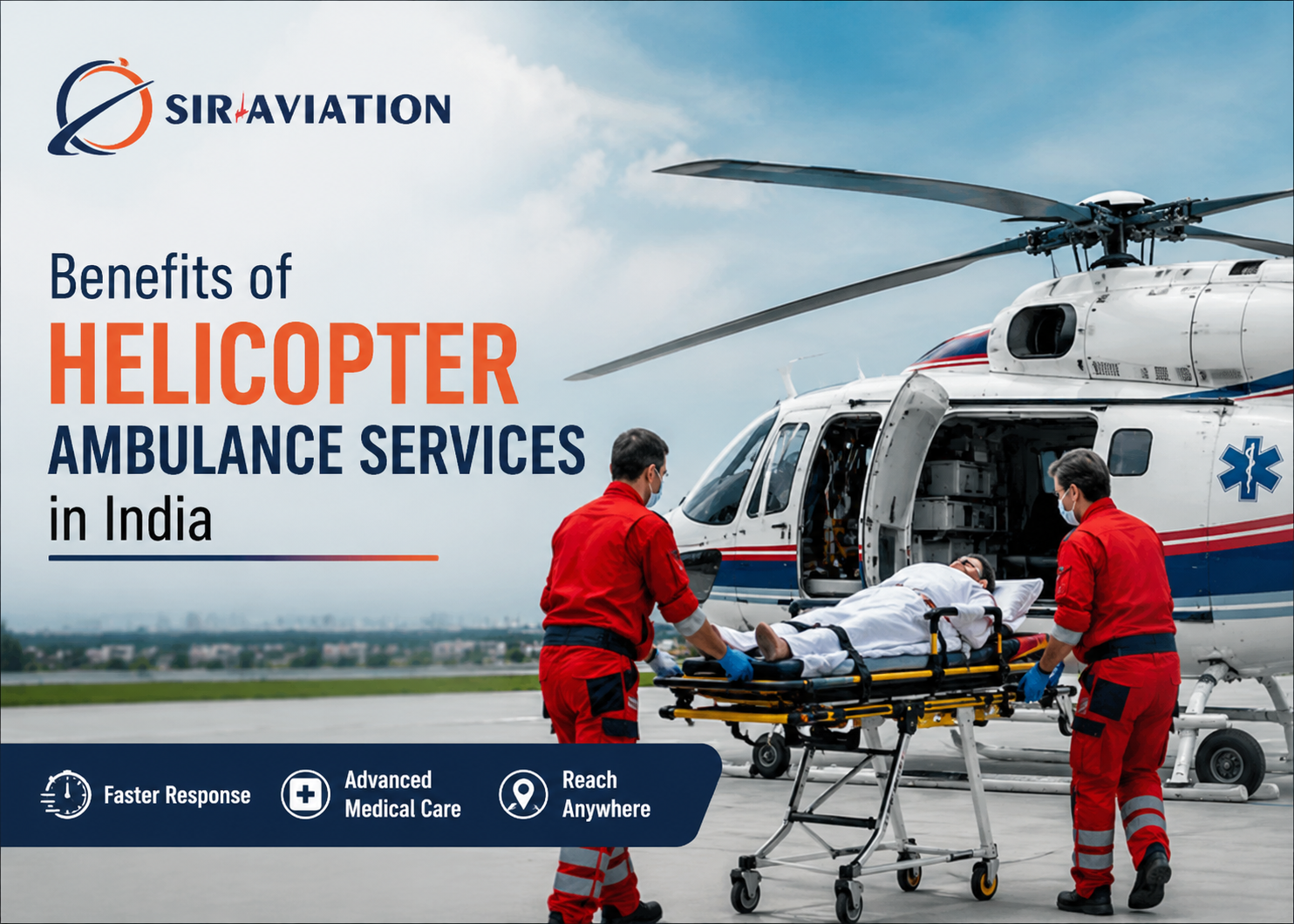
Medical emergencies demand quick decisions, skilled healthcare professionals, and rapid transportation. When every minute matters, road transportation may not always be the fastest or safest option, particularly in congested cities, remote villages, mountainous regions, islands, or disaster-affected areas. This is where helicopter ambulance India services play a vital role by offering fast medical evacuation with advanced life-support facilities and trained medical personnel onboard.
Helicopter ambulance operations have become an essential part of India’s emergency healthcare network. From transporting accident victims to shifting critically ill patients between hospitals, these services bridge the gap between healthcare facilities and patients who require immediate medical attention. SIR Aviation is committed to providing reliable helicopter ambulance solutions that prioritize speed, safety, and quality patient care.
What Is a Helicopter Ambulance?
A helicopter ambulance is a specially equipped aircraft designed to transport critically ill or injured patients. Unlike a standard helicopter, it carries advanced medical equipment, life-support systems, medications, and a trained medical team capable of delivering emergency treatment during the flight.
The primary objective is to reduce travel time while ensuring continuous medical monitoring from the pickup location to the destination hospital.
These aircraft are equipped to handle various emergency situations including trauma, cardiac emergencies, neurological conditions, neonatal transfers, organ transportation, and disaster response.
Why Helicopter Ambulance Services Matter in India
India’s geographical diversity creates unique healthcare challenges. Patients often require transportation across long distances, difficult terrains, or crowded urban areas where road traffic can significantly delay medical care.
Several factors increase the importance of helicopter ambulance services:
- Growing population
- Traffic congestion in metropolitan cities
- Remote rural locations
- Mountainous regions
- Flood and cyclone-prone areas
- Limited specialty hospitals in smaller towns
Air medical transportation helps overcome these barriers by providing direct access to advanced healthcare facilities.
Major Benefits of Helicopter Ambulance Services in India
1. Faster Emergency Response
One of the biggest advantages is speed.
Unlike road ambulances that may spend hours navigating traffic, helicopters travel directly to the destination through the air.
This significantly reduces transportation time, especially during emergencies involving:
- Heart attacks
- Stroke
- Major accidents
- Severe burns
- Head injuries
- Multiple trauma cases
Early medical intervention improves survival rates and increases the chances of successful treatment.
2. Access to Remote Locations
Many parts of India remain difficult to access through conventional road transportation.
Helicopter ambulances can quickly reach:
- Mountain villages
- Forest regions
- Islands
- Offshore facilities
- Border areas
- Pilgrimage routes
Patients living in isolated regions receive timely access to advanced healthcare without unnecessary delays.
3. Critical Care During Transportation
Medical care does not stop after patient pickup.
Modern helicopter ambulances function as flying intensive care units.
They commonly include:
- Cardiac monitors
- Ventilators
- Defibrillators
- Oxygen supply
- Infusion pumps
- Emergency medications
- Suction equipment
Specialized doctors, nurses, and paramedics continuously monitor the patient’s condition throughout the flight.
4. Reduced Travel Stress
Long road journeys can worsen a patient’s condition due to:
- Continuous vibration
- Traffic delays
- Road conditions
- Frequent stops
Helicopter transportation offers a smoother and much shorter journey, helping minimize additional physical stress.
This is especially valuable for critically ill patients requiring stable transportation conditions.
5. Time-Sensitive Organ Transportation
Organ transplantation depends heavily on time.
Helicopter ambulance services assist hospitals in transporting organs rapidly between cities.
This helps preserve organ viability and increases successful transplant outcomes.
Commonly transported organs include:
- Heart
- Liver
- Kidney
- Lungs
Fast aviation support contributes directly to saving multiple lives.
6. Better Access to Specialized Hospitals
Many smaller hospitals lack advanced treatment facilities.
Patients often require transfer to tertiary care hospitals equipped with:
- Cardiac surgery
- Neurosurgery
- Trauma centers
- Organ transplant units
- Pediatric intensive care
Helicopter ambulance services reduce transfer time between hospitals, allowing specialists to begin treatment sooner.
7. Effective Disaster Response
Natural disasters can isolate entire communities.
Floods, earthquakes, cyclones, and landslides frequently block roads and damage infrastructure.
Helicopter ambulances become essential for:
- Medical evacuations
- Rescue operations
- Emergency medical supply delivery
- Disaster relief coordination
Their ability to operate independently of damaged road networks makes them invaluable during emergencies.
8. Advanced Medical Coordination
Successful patient transfers involve more than transportation.
Helicopter ambulance providers coordinate with:
- Referring hospitals
- Receiving hospitals
- Medical specialists
- Air traffic authorities
- Ground ambulance teams
This coordinated approach ensures a seamless transition from pickup to hospital admission.
9. Improved Survival Rates
Medical research consistently highlights the importance of reducing time between injury and advanced treatment.
Faster transportation allows:
- Earlier diagnosis
- Earlier surgery
- Earlier specialist intervention
- Better patient stabilization
This contributes to improved survival and recovery outcomes.
10. Reliable Long-Distance Patient Transfers
Patients often require transportation between cities for specialized treatment.
Helicopter ambulances simplify transfers across significant distances while maintaining continuous medical supervision.
This is particularly useful when commercial flights are unsuitable due to medical conditions.
Common Situations Requiring Helicopter Ambulance Services
Helicopter ambulances support various medical emergencies.
These include:
Trauma Cases
Victims of serious road accidents, industrial incidents, falls, or crush injuries often require immediate evacuation.
Cardiac Emergencies
Patients suffering from severe heart attacks benefit from rapid transportation to cardiac care centers.
Stroke Patients
Stroke treatment follows strict timelines.
Quick transportation improves the possibility of successful neurological recovery.
Neonatal Transfers
Newborn babies requiring advanced neonatal intensive care can be transported safely with specialized equipment.
High-Risk Pregnancy Cases
Complicated pregnancies occasionally require immediate transfer to hospitals with advanced obstetric facilities.
Burn Injuries
Severe burn patients often need treatment at dedicated burn care centers located in larger cities.
Organ Transport
Time-sensitive organ transportation remains one of the most critical aviation medical missions.
Medical Equipment Available Onboard
Modern helicopter ambulances are equipped similarly to intensive care units.
Equipment generally includes:
- Portable ventilators
- Multiparameter monitors
- Oxygen cylinders
- Cardiac defibrillators
- Infusion pumps
- Suction units
- Emergency medications
- Airway management devices
- Trauma kits
- Neonatal transport incubators (when required)
These facilities enable uninterrupted medical care throughout the journey.
The Role of Medical Professionals
A helicopter ambulance is operated by more than just pilots.
A complete medical team may include:
- Emergency physicians
- Critical care specialists
- Flight nurses
- Advanced paramedics
- Respiratory therapists
Each professional is trained to manage medical emergencies in an aviation environment while ensuring patient safety.
Safety Standards in Helicopter Ambulance Operations
Patient safety remains the highest priority.
Professional operators follow strict aviation and healthcare protocols covering:
- Aircraft maintenance
- Pilot training
- Medical equipment inspections
- Infection control
- Emergency preparedness
- Weather assessment
- Flight planning
- Communication procedures
Every mission is carefully evaluated before takeoff to ensure safe transportation.
Benefits for Hospitals
Hospitals also benefit significantly from helicopter ambulance partnerships.
Advantages include:
- Faster patient referrals
- Better emergency coordination
- Improved access to specialty care
- Efficient inter-hospital transfers
- Enhanced emergency preparedness
This strengthens the healthcare system while improving patient outcomes.
Benefits for Healthcare Professionals
Doctors and emergency responders rely on helicopter ambulance services to manage complex medical situations.
They gain:
- Faster patient evacuation
- Continuous patient monitoring
- Better coordination between hospitals
- Reduced treatment delays
- Reliable emergency transportation
These services support clinical decision-making by ensuring patients reach appropriate healthcare facilities without unnecessary delays.
Benefits for Families
Medical emergencies create emotional stress for families.
Knowing that a loved one can be transported rapidly with continuous medical care provides reassurance during difficult situations.
Families benefit from:
- Faster access to treatment
- Reduced transportation delays
- Professional medical supervision
- Better communication throughout the transfer process
This improves the overall emergency care experience.
Technology Supporting Helicopter Ambulance Services
Modern aviation technology continues improving emergency medical transportation.
Innovations include:
- GPS navigation
- Satellite communication
- Digital patient monitoring
- Advanced flight planning software
- Real-time hospital coordination
- Electronic medical records integration
These technologies increase operational efficiency while supporting safer patient transfers.
How SIR Aviation Supports Emergency Medical Transport
SIR Aviation focuses on delivering dependable helicopter ambulance services that prioritize patient care, operational excellence, and timely medical transportation.
Every mission is carefully planned to ensure smooth coordination between medical teams, hospitals, pilots, and emergency responders. With experienced aviation professionals and a strong commitment to safety, SIR Aviation helps patients reach advanced healthcare facilities as quickly as possible.
Whether responding to medical emergencies, inter-hospital transfers, organ transportation, or disaster situations, the emphasis remains on reliable aviation support backed by professional medical coordination.
Choosing the Right Helicopter Ambulance Provider
Selecting the right service provider can make a significant difference during emergencies.
Important factors include:
- Aviation experience
- Medical expertise
- Qualified flight crew
- Aircraft availability
- Safety standards
- Medical equipment quality
- Response capability
- Coordination with hospitals
- Transparent communication
A dependable provider ensures every stage of patient transportation is managed professionally.
The Future of Helicopter Ambulance Services in India
As healthcare infrastructure continues expanding, helicopter ambulance services are expected to become even more integrated with emergency response systems.
Greater collaboration between hospitals, emergency responders, aviation operators, and healthcare authorities can improve access to specialized treatment across urban and rural regions alike.
Advancements in aircraft technology, onboard medical equipment, and communication systems will further strengthen patient care during air medical transport. With increasing awareness of emergency aviation services, more patients will have timely access to life-saving medical support when every second counts.
Conclusion
Helicopter ambulance services have become an essential component of emergency medical transportation across India. Their ability to reduce travel time, provide advanced medical care during transit, reach inaccessible locations, and support hospitals during critical situations makes them an indispensable healthcare resource. From trauma response and cardiac emergencies to neonatal transfers and organ transportation, these services help improve patient outcomes by connecting individuals with specialized medical care quickly and safely. SIR Aviation remains committed to delivering dependable helicopter ambulance services that combine aviation expertise, medical excellence, and operational reliability for patients, healthcare professionals, and hospitals across India.
FAQs
When should someone use a helicopter ambulance India service?
It is commonly used for trauma cases, heart attacks, strokes, neonatal transfers, organ transportation, disaster response, and inter-hospital transfers where rapid medical transport is essential.
What medical equipment is available in a helicopter ambulance?
Most helicopter ambulances include ventilators, cardiac monitors, defibrillators, oxygen systems, infusion pumps, emergency medications, suction units, and advanced life-support equipment.
How does a helicopter ambulance improve emergency medical care?
It reduces travel time, bypasses road congestion, provides continuous critical care during transport, and enables faster access to specialized hospitals, improving the chances of successful treatment.
Why choose SIR Aviation for helicopter ambulance services in India?
SIR Aviation focuses on safe, timely, and professionally coordinated helicopter ambulance services with experienced aviation personnel, advanced medical support, and efficient hospital coordination for emergency patient transportation.