
Complete Aviation Solutions for Modern Air Operations
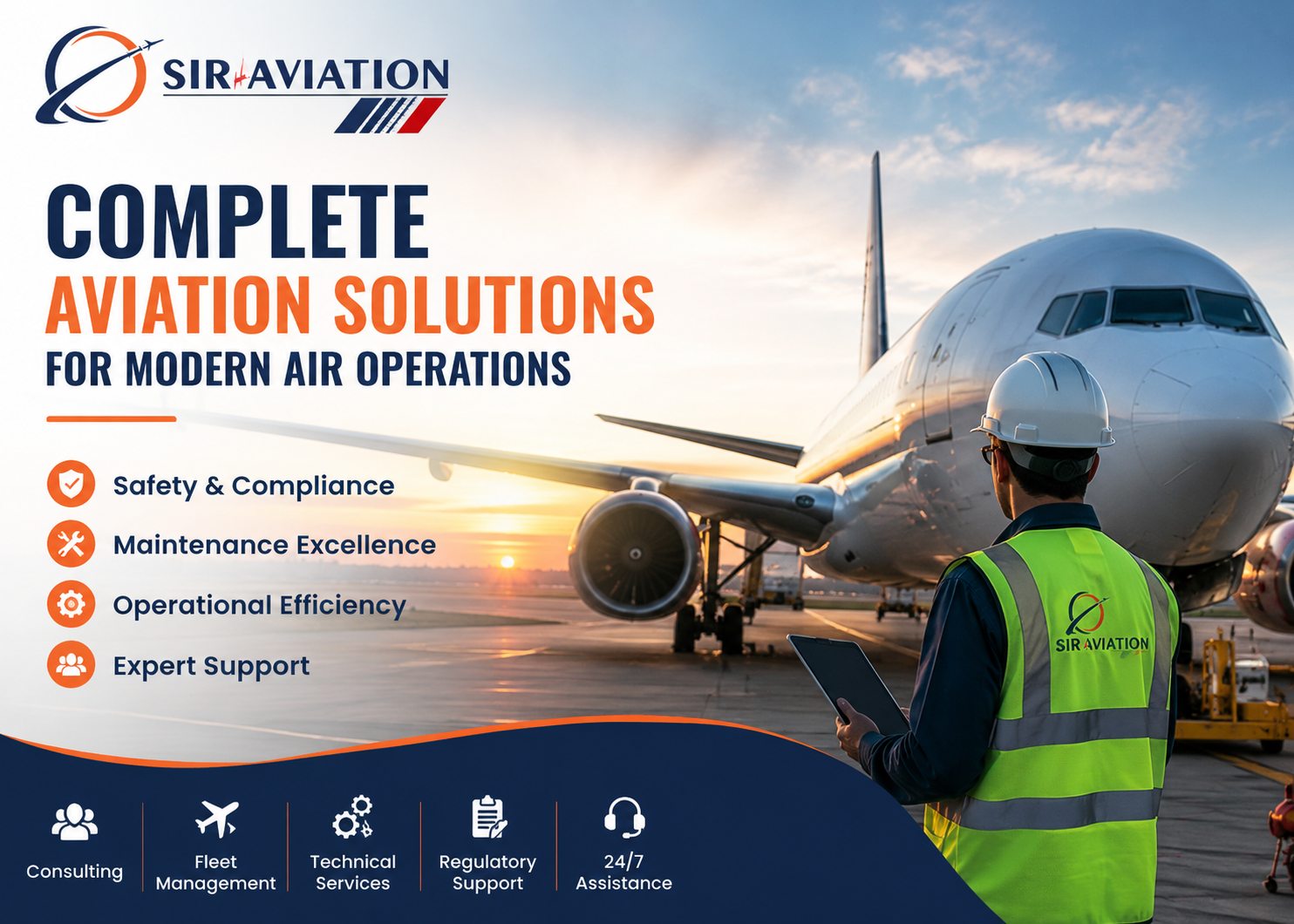
Air transport depends on precision, safety, planning, and reliable technical support. Whether an airline, aircraft owner, corporate operator, government organization, or aviation startup, every stakeholder needs dependable services that keep operations running smoothly. As an experienced aviation solutions provider India, SIR Aviation delivers integrated aviation services designed to support every stage of an aircraft’s operational lifecycle.
Modern aviation extends far beyond flying an aircraft from one destination to another. It includes fleet management, aircraft maintenance coordination, regulatory compliance, technical consulting, operational planning, safety management, crew support, documentation, and continuous performance improvement. Organizations that choose the right aviation partner gain better operational efficiency, reduced downtime, improved compliance, and stronger business performance.
This page explains how complete aviation solutions help organizations operate safely, efficiently, and confidently while meeting the growing demands of the aviation industry.
Why Modern Air Operations Require Complete Aviation Solutions
The aviation sector has become increasingly specialized. Every aircraft operation requires multiple technical and operational functions working together.
These include:
- Aircraft management
- Technical consultancy
- Maintenance planning
- Safety management
- Regulatory documentation
- Aircraft inspections
- Flight operations support
- Aviation compliance
- Fleet optimization
- Vendor coordination
Managing all these activities internally often becomes expensive and resource-intensive. Partnering with an experienced aviation company simplifies operations while ensuring international quality standards.
Complete aviation solutions reduce operational complexity and improve coordination across every department.
What Are Complete Aviation Solutions?
Complete aviation solutions refer to a full range of professional aviation services delivered through a single organization.
Rather than hiring multiple vendors for different tasks, operators receive integrated support from experienced aviation professionals.
These services commonly include:
- Aviation consulting
- Aircraft management
- Maintenance planning
- Regulatory assistance
- Technical inspections
- Operational audits
- Safety management systems
- Aircraft acquisition support
- Documentation management
- Aviation training support
The objective is simple—help aircraft owners and operators maintain safe, compliant, and efficient operations.
The Growing Need for Aviation Expertise
The aviation industry continues to evolve with new regulations, advanced aircraft technologies, digital systems, and higher passenger expectations.
Operators must balance several priorities simultaneously:
- Passenger safety
- Operational efficiency
- Cost control
- Regulatory compliance
- Fleet reliability
- Environmental responsibility
Professional aviation experts provide valuable technical knowledge that supports better decision-making while minimizing operational risks.
Core Aviation Services Offered by SIR Aviation
SIR Aviation provides a broad portfolio of aviation services designed to meet the needs of commercial operators, private aircraft owners, aviation businesses, and institutional clients.
Aviation Consulting
Strategic consulting helps aviation businesses improve operational performance.
Consulting services may include:
- Operational planning
- Business expansion support
- Regulatory compliance
- Fleet planning
- Airport coordination
- Aviation project management
- Technical advisory
Professional consulting allows organizations to make informed business decisions backed by aviation expertise.
Aircraft Management
Managing an aircraft involves continuous coordination between technical teams, regulatory authorities, maintenance providers, and flight crews.
Aircraft management services typically include:
- Aircraft scheduling
- Maintenance coordination
- Documentation management
- Vendor management
- Operational planning
- Compliance monitoring
- Cost management
This structured approach allows aircraft owners to focus on business priorities while aviation professionals manage operational responsibilities.
Aircraft Maintenance Coordination
Reliable maintenance is essential for safe flight operations.
Maintenance planning includes:
- Scheduled inspections
- Preventive maintenance
- Repair coordination
- Component replacement
- Maintenance tracking
- Technical record management
Well-managed maintenance programs increase aircraft availability while reducing unexpected operational disruptions.
Aviation Regulatory Compliance
Every aircraft operator must comply with aviation regulations established by relevant authorities.
Compliance support includes:
- Documentation preparation
- Regulatory approvals
- Operational manuals
- Technical records
- Safety audits
- Compliance reviews
Maintaining accurate documentation helps operators avoid unnecessary delays and regulatory challenges.
Safety Management Systems
Safety remains the foundation of every successful aviation operation.
A structured Safety Management System (SMS) helps organizations identify potential risks before they become operational issues.
Key elements include:
- Risk assessment
- Hazard reporting
- Internal audits
- Safety monitoring
- Incident analysis
- Continuous improvement
An effective safety culture benefits employees, passengers, and aircraft owners alike.
Aircraft Acquisition and Technical Evaluation
Purchasing an aircraft requires detailed technical analysis.
Professional aviation experts evaluate:
- Aircraft condition
- Maintenance history
- Airworthiness status
- Technical documentation
- Component life
- Operational suitability
Independent evaluations help buyers make informed investment decisions.
Fleet Optimization for Better Performance
Fleet optimization improves operational efficiency while controlling costs.
Strategies may include:
- Route planning
- Aircraft utilization analysis
- Fuel efficiency improvements
- Maintenance scheduling
- Performance monitoring
- Operational benchmarking
Optimized fleet management supports sustainable business growth.
Operational Planning for Modern Aviation
Every successful flight begins long before takeoff.
Operational planning includes:
- Resource allocation
- Flight scheduling
- Crew coordination
- Aircraft readiness
- Regulatory documentation
- Weather assessment
- Operational risk evaluation
Proper planning reduces delays and enhances operational reliability.
Digital Transformation in Aviation
Technology has transformed aviation management.
Digital aviation tools improve:
- Maintenance tracking
- Flight planning
- Document management
- Aircraft monitoring
- Compliance reporting
- Operational analytics
Digital systems improve accuracy while reducing administrative workload.
Importance of Technical Documentation
Accurate documentation supports safe aircraft operations.
Essential records include:
- Aircraft logbooks
- Maintenance records
- Airworthiness certificates
- Inspection reports
- Component histories
- Operational manuals
Well-maintained documentation improves transparency and regulatory readiness.
Supporting Business Aviation
Corporate aviation requires flexibility, efficiency, and discretion.
Business aviation services often include:
- Aircraft management
- Charter support
- Operational coordination
- Maintenance oversight
- Regulatory assistance
- Flight planning
Professional support allows businesses to maximize aircraft availability while maintaining operational excellence.
Enhancing Operational Efficiency
Operational efficiency is achieved through continuous improvement rather than isolated changes.
Key improvement areas include:
- Resource planning
- Cost optimization
- Maintenance scheduling
- Vendor coordination
- Performance monitoring
- Process standardization
These improvements create long-term operational value.
Risk Management in Aviation
Every aviation operation carries operational risks.
Risk management focuses on:
- Hazard identification
- Preventive action
- Safety assessments
- Incident reporting
- Operational reviews
- Compliance monitoring
Managing risks proactively strengthens organizational resilience.
Benefits of Partnering with SIR Aviation
Working with SIR Aviation provides organizations with access to experienced aviation professionals dedicated to operational excellence.
Key advantages include:
Industry Knowledge
Years of aviation experience support informed technical decisions.
Integrated Services
Clients receive multiple aviation services through one trusted partner.
Regulatory Support
Professional guidance simplifies compliance requirements.
Operational Efficiency
Structured processes improve productivity while reducing unnecessary delays.
Safety-Focused Approach
Safety remains central to every operational recommendation.
Customized Solutions
Services are tailored to individual operational requirements rather than using a one-size-fits-all approach.
Industries That Benefit from Aviation Solutions
Complete aviation services support a wide range of organizations.
These include:
- Commercial airlines
- Charter operators
- Corporate aviation
- Government agencies
- Aircraft leasing companies
- Maintenance organizations
- Flight training institutions
- Aviation startups
- Private aircraft owners
- Airport operators
Each sector requires specialized technical expertise that contributes to safer and more efficient operations.
Factors to Consider When Selecting an Aviation Partner
Choosing the right aviation partner can significantly influence operational success.
Look for:
- Proven aviation expertise
- Strong technical capabilities
- Regulatory knowledge
- Transparent communication
- Safety-focused processes
- Reliable customer support
- Customized service offerings
An experienced aviation company becomes a valuable long-term operational partner.
The Future of Aviation Operations
The aviation industry continues to evolve through innovation, digital technologies, sustainability initiatives, and improved operational practices.
Organizations are increasingly investing in:
- Predictive maintenance
- Artificial intelligence
- Digital aircraft records
- Performance analytics
- Sustainable aviation practices
- Advanced safety systems
- Automated operational workflows
Companies that embrace these developments position themselves for greater operational resilience and long-term success.
Why SIR Aviation Is a Trusted Aviation Partner
SIR Aviation combines technical expertise, operational knowledge, and customer-focused service to support modern aviation requirements.
The company’s integrated approach allows clients to access multiple aviation services through a single trusted partner, helping improve operational efficiency while maintaining the highest standards of safety and regulatory compliance.
Whether supporting aircraft owners, aviation businesses, or institutional clients, SIR Aviation focuses on delivering practical solutions that align with each client’s operational objectives.
Conclusion
Modern aviation depends on more than aircraft alone. Successful air operations require careful planning, technical expertise, regulatory compliance, safety management, maintenance coordination, and continuous operational improvement. Organizations that invest in complete aviation support are better positioned to improve efficiency, reduce operational risks, and maintain consistent performance.
SIR Aviation delivers dependable services that help clients navigate the complexities of modern aviation with confidence. By combining industry expertise with a commitment to quality, safety, and operational excellence, the company continues to support aviation stakeholders with reliable solutions designed for long-term success.
FAQs
What services does SIR Aviation provide?
SIR Aviation offers aviation consulting, aircraft management, maintenance coordination, regulatory compliance support, technical inspections, safety management assistance, operational planning, and aviation advisory services.
How do aviation consulting services improve operational efficiency?
Aviation consulting identifies operational gaps, improves maintenance planning, enhances regulatory compliance, optimizes fleet performance, and supports better business decision-making.
Who can benefit from complete aviation solutions?
Commercial airlines, corporate aviation operators, charter companies, aircraft owners, government organizations, leasing companies, airports, maintenance organizations, and aviation startups can all benefit from integrated aviation services.
Why is regulatory compliance important in aviation?
Regulatory compliance helps maintain aircraft airworthiness, supports safe operations, reduces legal and operational risks, prevents unnecessary delays, and ensures adherence to aviation authority requirements.