
How Helicopter Medical Transport Saves Lives in Critical Emergencies
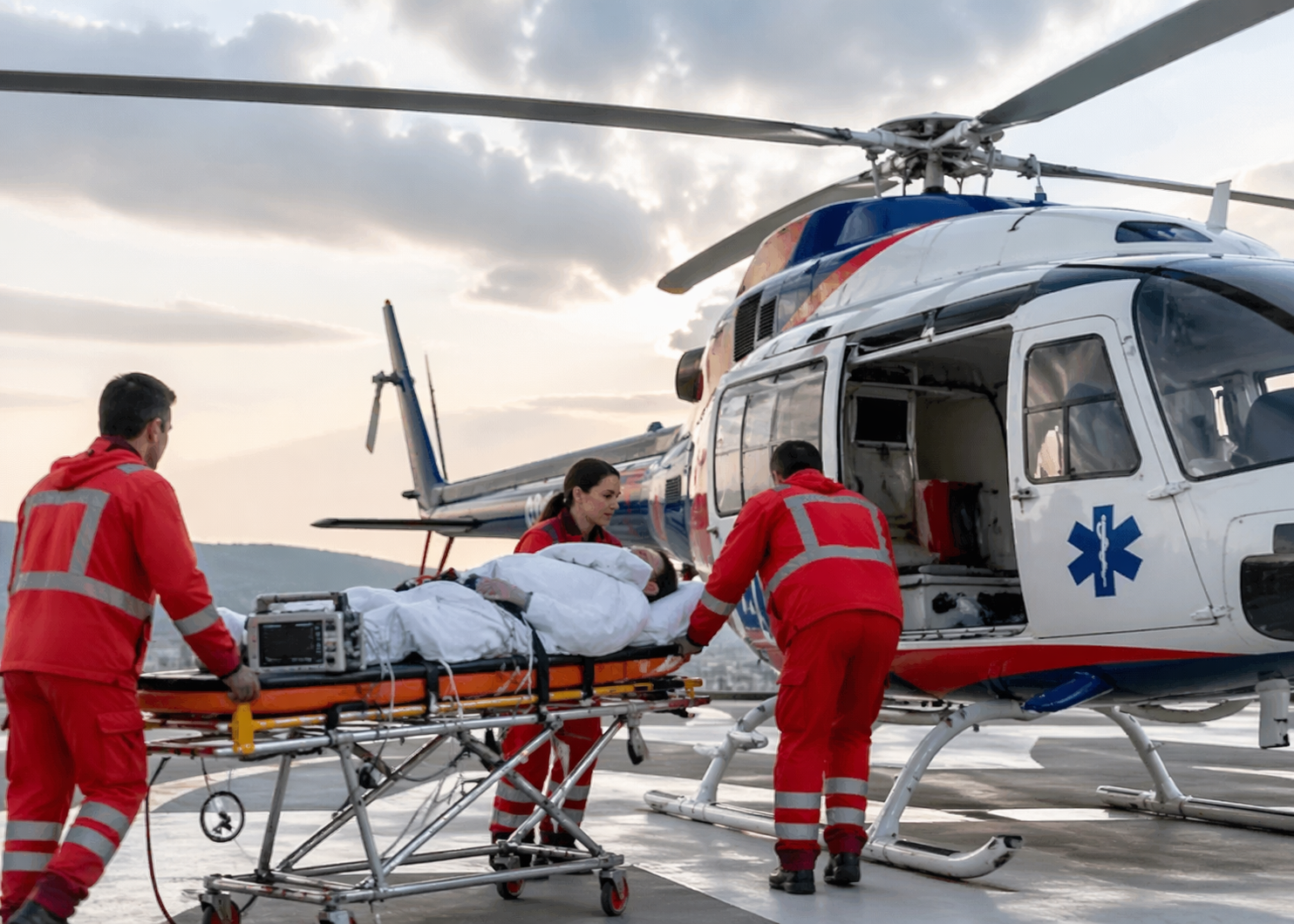
When a medical emergency strikes, time becomes the most valuable resource. Seconds can mean the difference between life and death, especially in cases involving trauma, cardiac arrest, stroke, or severe accidents. In such situations, traditional ground ambulances may not always be fast enough due to traffic congestion, long distances, or inaccessible terrain. This is where Helicopter for Medical Transport emerges as a powerful and life-saving solution.
SIR Aviation has been at the forefront of delivering rapid-response air ambulance services, ensuring that critical patients receive timely medical attention when it matters the most. With advanced onboard equipment, trained medical teams, and unmatched speed, helicopter medical transport plays a crucial role in modern emergency healthcare.
The Need for Speed in Emergency Medical Care
Emergency medicine revolves around a simple principle: faster response leads to better outcomes. Whether it’s a road accident on a highway, a cardiac event in a remote village, or a natural disaster in a hard-to-reach area, immediate medical intervention is essential.
Ground ambulances, although vital, often face challenges such as:
- Heavy traffic in urban areas
- Limited access to rural or mountainous regions
- Longer travel times during peak hours
- Road conditions that delay patient transfer
A Helicopter for Medical Transport bypasses these barriers entirely. It travels in a straight line, avoids road congestion, and significantly reduces transport time, ensuring that patients reach advanced medical facilities without delay.
How Helicopter Medical Transport Works
Helicopter medical transport is not just about flying a patient from one location to another. It is a highly coordinated operation involving multiple elements working in sync.
1. Rapid Dispatch and Coordination
Once an emergency call is received, the dispatch team at SIR Aviation evaluates the situation and determines the feasibility of helicopter transport. Factors such as distance, patient condition, and landing availability are considered.
2. Immediate Takeoff
Helicopters are kept in a state of readiness, allowing for quick takeoff within minutes. This rapid mobilization is critical in emergencies like strokes or trauma cases.
3. Onboard Medical Care
Each helicopter functions as a flying intensive care unit (ICU). Equipped with:
- Ventilators
- Cardiac monitors
- Defibrillators
- Oxygen support systems
- Emergency medications
Highly trained doctors, paramedics, and critical care specialists accompany the patient, providing continuous medical care during transit.
4. Safe Landing and Hospital Transfer
Helicopters can land in specially designated helipads or even open spaces near hospitals or accident sites. Once landed, the patient is swiftly transferred to the receiving medical facility for further treatment.
Critical Situations Where Helicopter Transport Makes a Difference
Helicopter medical transport proves invaluable in a wide range of emergencies. Some of the most common scenarios include:
Severe Trauma and Accidents
Road accidents, industrial injuries, and falls from height often result in life-threatening trauma. Immediate access to trauma centers can significantly improve survival rates. Helicopters ensure that patients receive advanced care without delay.
Cardiac Emergencies
Heart attacks require rapid intervention, especially procedures like angioplasty. A Helicopter for Medical Transport ensures that patients reach specialized cardiac centers within the critical time window.
Stroke Cases
In stroke management, every minute counts. Early treatment can prevent permanent brain damage. Helicopters reduce the time taken to reach stroke-ready hospitals, improving recovery chances.
Remote and Rural Emergencies
In regions where hospitals are far away or infrastructure is limited, helicopter transport becomes a lifeline. It connects remote areas to advanced healthcare facilities quickly and efficiently.
Natural Disasters
Floods, earthquakes, and landslides often disrupt road networks. Helicopters play a vital role in rescue operations, evacuating injured individuals and delivering emergency medical aid.
Advantages of Helicopter Medical Transport
1. Speed and Efficiency
Helicopters can cover long distances in a fraction of the time taken by road transport. This speed is crucial for critical patients who need immediate care.
2. Accessibility
From mountainous terrains to densely populated cities, helicopters can reach areas where ground ambulances cannot.
3. Advanced Medical Support
Helicopters are equipped with state-of-the-art medical equipment, ensuring that patients receive ICU-level care during transit.
4. Reduced Risk of Complications
Faster transport reduces the risk of complications arising from delayed treatment, improving patient outcomes.
5. Seamless Coordination
SIR Aviation ensures smooth coordination between the medical team, pilots, and receiving hospitals, minimizing delays and ensuring efficient patient transfer.
The Role of Skilled Medical Teams
The effectiveness of helicopter medical transport is not just about speed; it also depends on the expertise of the onboard medical team.
At SIR Aviation, medical professionals are trained to handle:
- Critical care emergencies
- Trauma stabilization
- Advanced life support procedures
- In-flight patient monitoring
Their ability to make quick decisions and provide immediate treatment plays a vital role in saving lives during transit.
Technology Behind Helicopter Medical Transport
Modern helicopters used for medical transport are equipped with cutting-edge technology that enhances safety and efficiency.
Navigation and Communication Systems
Advanced GPS and communication tools ensure accurate navigation and constant contact with ground teams and hospitals.
Medical Equipment Integration
All medical devices are securely installed and designed to function effectively during flight, ensuring uninterrupted care.
Safety Features
Helicopters undergo regular maintenance and adhere to strict aviation safety standards, ensuring reliable performance even in challenging conditions.
Challenges and How They Are Overcome
While helicopter medical transport offers numerous benefits, it also comes with challenges:
Weather Conditions
Adverse weather can impact flight operations. However, advanced forecasting and skilled pilots help mitigate risks.
Landing Limitations
Not all areas have designated helipads. SIR Aviation addresses this by identifying safe landing zones and coordinating with local authorities.
Cost Considerations
Helicopter transport can be expensive due to operational costs. However, for critical emergencies, the value of saving a life far outweighs the cost.
SIR Aviation: A Trusted Name in Emergency Air Transport
SIR Aviation has established itself as a reliable provider of helicopter medical transport services. With a strong commitment to patient care, the company ensures:
- Rapid response times
- Highly trained medical teams
- Advanced onboard equipment
- Seamless coordination with hospitals
- Safe and efficient operations
By prioritizing patient safety and timely intervention, SIR Aviation continues to make a significant impact in emergency healthcare.
Real-Life Impact of Helicopter Medical Transport
Consider a scenario where a patient in a remote area suffers a severe head injury. Ground transport might take several hours, increasing the risk of complications. A Helicopter for Medical Transport can reach the location within minutes, stabilize the patient, and transport them to a specialized hospital quickly.
Such interventions not only save lives but also improve recovery outcomes, reducing long-term disabilities and enhancing quality of life.
The Future of Helicopter Medical Transport
As healthcare continues to evolve, helicopter medical transport is expected to play an even more significant role. Innovations such as:
- Improved aircraft design
- Enhanced medical equipment
- Better integration with emergency response systems
will further enhance the efficiency and effectiveness of air ambulance services.
SIR Aviation remains committed to adopting these advancements, ensuring that patients receive the best possible care during emergencies.
Why Every Second Matters
In critical emergencies, delays can lead to irreversible damage. Whether it’s a heart attack, stroke, or traumatic injury, the speed of response directly impacts survival and recovery.
A Helicopter for Medical Transport bridges the gap between emergency and advanced care, ensuring that patients receive timely treatment. By eliminating delays and providing immediate medical support, it transforms emergency response into a life-saving operation.
Final Thoughts
Helicopter medical transport is more than just a mode of transportation; it is a lifeline for patients in critical conditions. With its ability to deliver rapid, advanced, and reliable care, it has become an indispensable part of modern emergency healthcare.
SIR Aviation continues to lead the way in providing efficient and dependable air ambulance services. Through dedication, expertise, and innovation, the company ensures that help arrives when it is needed the most.
When every second counts, helicopter medical transport stands as a powerful solution—saving lives, reducing suffering, and giving patients a second chance at life.