
What Are MRO Aviation Services India and How Do They Work?
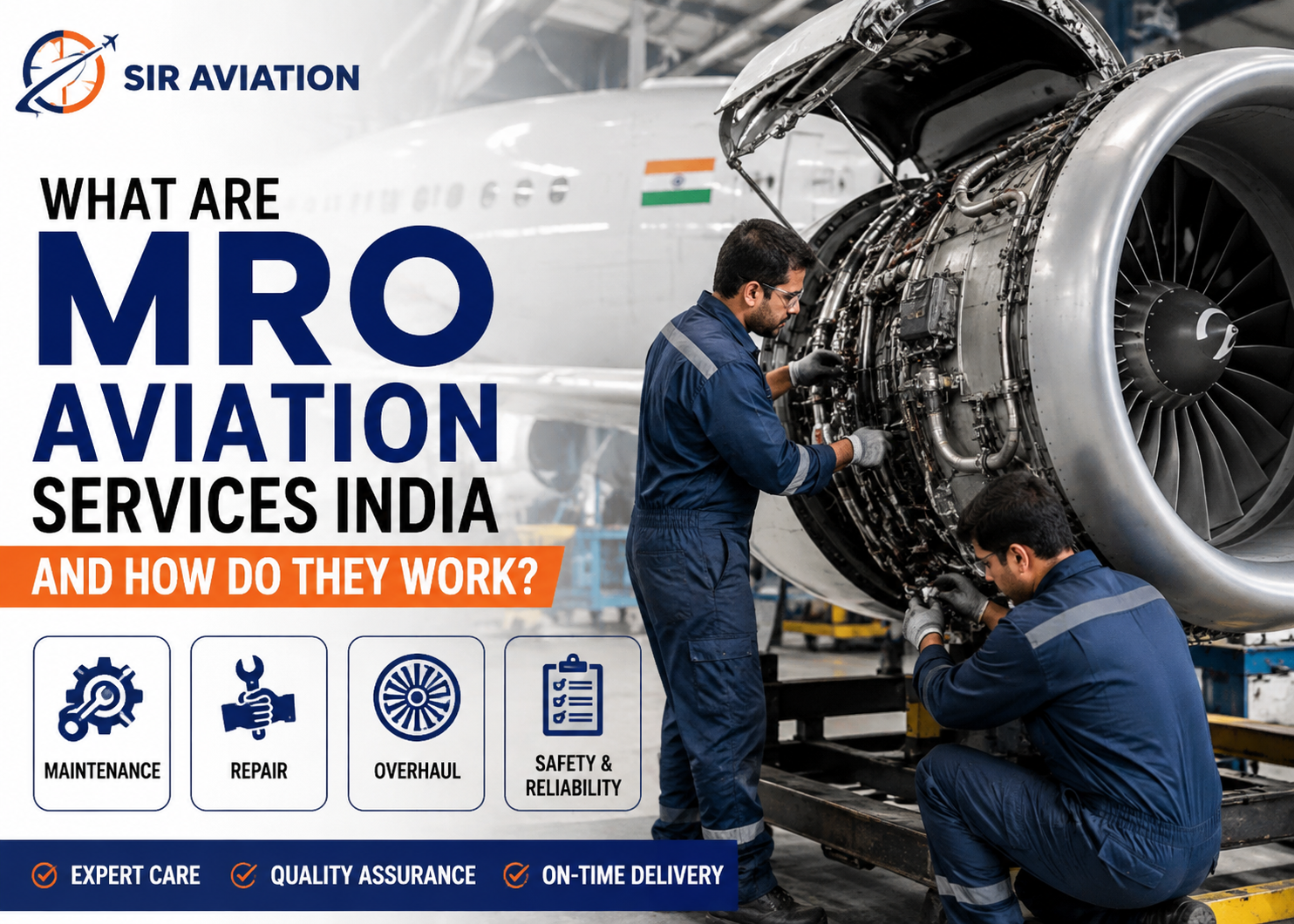
India’s aviation sector depends on a strong maintenance ecosystem to keep aircraft safe, reliable, compliant, and ready for operation. MRO aviation services India cover the maintenance, repair, and overhaul activities required throughout an aircraft’s operational life. From routine inspections and scheduled maintenance to component repairs, engine work, structural checks, and major overhauls, MRO plays a critical role in supporting airlines, aircraft operators, charter companies, aviation organizations, and other stakeholders.
Aircraft are sophisticated machines containing thousands of interconnected parts and systems. Even when an aircraft appears to operate perfectly, components require periodic inspection, servicing, testing, repair, and replacement. MRO organizations provide the technical infrastructure and skilled workforce needed to perform these activities according to applicable aviation requirements.
For aircraft owners and operators, knowing how MRO works can make maintenance planning, aircraft availability, regulatory compliance, cost management, and operational decision-making more effective.
What Does MRO Mean in Aviation?
MRO stands for Maintenance, Repair, and Overhaul. These three functions collectively cover a broad range of technical activities performed to preserve an aircraft’s airworthiness and operational condition.
Maintenance includes scheduled inspections, preventive work, servicing, testing, adjustments, and replacement of parts. Maintenance activities help identify potential technical concerns before they develop into more significant problems.
Repair involves correcting faults, defects, wear, or damage identified during inspections or aircraft operations. Depending on the issue, repairs may involve individual components, avionics, aircraft structures, engines, landing gear, or other systems.
Overhaul is generally a more extensive process. A component, system, or engine may be removed, dismantled, inspected, repaired, tested, reassembled, and restored according to approved technical requirements.
Together, these activities help ensure that aircraft continue operating within defined safety and performance standards.
Why Are MRO Services Important for Aviation?
Safety is one of the primary reasons aircraft maintenance receives such close attention. Aircraft operate under demanding conditions involving altitude changes, pressure cycles, vibration, temperature variations, weather exposure, and repeated takeoffs and landings.
Over time, these operating conditions can contribute to component wear and material fatigue. Maintenance programs allow qualified professionals to identify and address technical issues systematically.
MRO also supports aircraft availability. Airlines and commercial operators depend on aircraft being available according to planned schedules. Unanticipated maintenance can lead to delays, cancellations, operational disruptions, and additional expenses.
A well-planned maintenance strategy therefore serves more than a technical purpose. It supports safety, operational continuity, asset management, regulatory compliance, and commercial performance.
What Services Are Included in Aviation MRO?
MRO is not a single maintenance activity. It includes multiple specialized services based on the aircraft type, maintenance program, operational requirements, and technical condition.
Line Maintenance
Line maintenance includes routine maintenance activities generally performed while an aircraft remains within its regular operating schedule.
Technicians may inspect fluid levels, tires, brakes, external surfaces, lights, cockpit indications, and other essential systems. Minor defects may also be corrected during line maintenance when appropriate.
Because these activities often take place between flights or during relatively short ground periods, speed and precision are important.
Effective line maintenance helps operators identify issues early while keeping aircraft available for planned operations.
Base Maintenance
Base maintenance involves more extensive inspection and maintenance activities than routine line work. Aircraft may remain in a maintenance facility for a longer period while technicians conduct detailed inspections and repairs.
Panels and interior sections may need to be removed to provide access to structural areas, wiring, systems, and components.
Depending on the maintenance requirement, base maintenance can include structural inspection, corrosion assessment, system testing, component replacement, cabin work, modification activities, and detailed technical checks.
Planning becomes especially important because base maintenance may require substantial manpower, equipment, hangar space, materials, and coordination.
Aircraft Engine Maintenance
The engine is among the most technically demanding and valuable systems on an aircraft. Engine maintenance therefore represents a significant area within aviation MRO.
Engine maintenance may involve inspections, performance monitoring, troubleshooting, component replacement, borescope inspection, repair, and extensive shop-level work.
Maintenance teams evaluate engine condition against specified limits and technical documentation. When deeper work becomes necessary, the engine or selected modules may undergo detailed inspection and repair.
Proper engine maintenance can support reliability, performance, aircraft availability, and long-term asset value.
Component Maintenance and Repair
Aircraft contain numerous components that may require specialized inspection, testing, repair, or overhaul.
These can include:
- Landing gear components
- Hydraulic systems
- Electrical equipment
- Flight-control components
- Pumps and valves
- Wheels and brakes
- Avionics equipment
- Cabin systems
- Pneumatic components
- Auxiliary equipment
Component maintenance often requires specialized tooling, test benches, technical data, and trained personnel.
Rather than replacing every component when a problem develops, certain serviceable components may be inspected and repaired where approved and technically appropriate.
Avionics Maintenance
Modern aircraft rely heavily on electronic and digital systems. Avionics support communication, navigation, flight management, monitoring, weather information, cockpit displays, and numerous other functions.
Avionics maintenance may involve fault diagnosis, equipment testing, wiring inspection, software-related procedures, equipment replacement, and system verification.
As aircraft technology continues to become more digitally integrated, avionics expertise has become increasingly important within MRO operations.
Technicians must work accurately because different electronic systems often interact with one another.
Structural Inspection and Repair
An aircraft structure experiences repeated loading throughout its service life. Wings, fuselage sections, doors, control surfaces, and other structural areas therefore require scheduled inspections.
Technicians may inspect structures for cracks, corrosion, deformation, impact damage, or other abnormalities.
Some defects can be identified visually, while others require specialized non-destructive testing methods.
Where repairs are necessary, technicians must follow approved repair procedures and technical documentation. Structural integrity remains a fundamental consideration throughout the aircraft’s operational life.
How Does the Aircraft MRO Process Work?
The exact workflow depends on the type of aircraft and maintenance activity, but MRO projects generally follow an organized technical process.
1. Maintenance Planning
Maintenance begins before the aircraft enters a hangar.
Operators maintain maintenance schedules based on approved programs, aircraft utilization, flight cycles, calendar periods, component limitations, and regulatory requirements.
Maintenance planners identify upcoming tasks and determine when aircraft should be removed from normal operation.
Good planning can reduce unnecessary downtime and help ensure that manpower, tools, replacement parts, documentation, and facilities are available when needed.
2. Aircraft Induction
When scheduled maintenance begins, the aircraft is formally inducted into the maintenance facility or process.
Relevant technical records, reported defects, maintenance history, and scheduled tasks are reviewed.
This stage establishes the work scope and provides maintenance personnel with information about the aircraft’s technical condition.
3. Inspection
Qualified personnel perform the required inspections based on approved maintenance documentation.
Depending on the work scope, inspection may cover structures, engines, landing gear, electrical systems, avionics, flight controls, cabin equipment, hydraulic systems, and other areas.
Any additional defects discovered during inspection are documented and evaluated.
4. Rectification and Repair
When technicians identify a fault or defect, appropriate corrective action is determined.
The solution may involve adjustment, repair, replacement, testing, or further technical investigation.
Maintenance personnel use applicable manuals, approved technical data, procedures, tools, and replacement components while carrying out the work.
5. Testing
Maintenance does not finish simply because a component has been installed or repaired.
Systems may need functional checks or operational testing to confirm that they perform as required.
Testing provides an important verification step before maintenance work is closed.
6. Documentation and Release
Accurate records are an essential part of aviation maintenance.
Completed work, replaced parts, inspection findings, corrective actions, and relevant technical information must be recorded according to applicable requirements.
After required maintenance tasks have been satisfactorily completed and properly certified by authorized personnel, the aircraft can return to operation in accordance with applicable procedures.
The Importance of Skilled Aviation Maintenance Professionals
Technology alone cannot deliver effective aircraft maintenance. Qualified people remain at the center of MRO operations.
Aircraft maintenance engineers, technicians, inspectors, planners, quality professionals, supply-chain teams, technical records specialists, and engineering personnel may all contribute to the maintenance process.
Their responsibilities require precision and discipline.
A seemingly small maintenance detail can have wider implications for aircraft reliability. MRO organizations therefore depend on technical competency, structured procedures, training, supervision, documentation, and quality systems.
As newer aircraft introduce advanced materials, electronic systems, sensors, and digital technologies, maintenance personnel also need to keep their skills aligned with changing aircraft platforms.
How MRO Supports Regulatory Compliance
Civil aviation operates within a highly regulated environment. Aircraft maintenance must comply with applicable requirements and approved procedures.
Maintenance organizations must work within the privileges and limitations of their approvals. Personnel authorization, tooling, facilities, documentation, quality processes, and technical procedures all form part of the broader compliance framework.
For aircraft operators, selecting an appropriately approved and capable maintenance organization is therefore an important decision.
Price alone should never determine the selection. Technical capability, aircraft experience, approvals, quality standards, turnaround planning, infrastructure, and maintenance support should also receive careful consideration.
How Technology Is Changing Aviation MRO
Aircraft maintenance is becoming increasingly data-driven.
Modern aircraft can generate large amounts of operational and system data. When properly used, this information can help maintenance teams monitor equipment condition, investigate recurring faults, and make better-informed maintenance decisions.
Digital maintenance records can also improve accessibility and reduce dependence on paper-based processes.
Other technologies influencing MRO include inspection drones, advanced diagnostic equipment, digital work instructions, automated inventory systems, non-destructive testing technologies, and condition-monitoring tools.
Predictive maintenance represents another important area. Rather than relying exclusively on fixed maintenance intervals, condition data may help identify signs that a component requires attention.
Human technical expertise, however, remains essential for evaluating information and carrying out approved maintenance activities.
Why Is India Important for the Aviation MRO Sector?
India has a large and expanding aviation ecosystem supported by airlines, airports, general aviation operators, aircraft owners, training organizations, helicopter operators, and associated aviation businesses.
As aircraft utilization expands, demand for maintenance capability naturally increases.
Developing domestic MRO capacity can help support aircraft operators closer to their operational bases. It can also contribute to technical employment, specialized skill development, aviation infrastructure, supply-chain activity, and associated engineering services.
An effective MRO ecosystem requires more than hangars. It needs skilled manpower, appropriate tooling, technical expertise, quality processes, component support, logistics, documentation systems, and coordination among multiple aviation stakeholders.
How Does MRO Reduce Aircraft Downtime?
Aircraft generate value when they are available for their intended operations. Extended ground time can affect airline schedules, charter operations, fleet planning, and operating costs.
Maintenance organizations work to control downtime through careful planning and resource coordination.
Before scheduled maintenance begins, teams can arrange tooling, materials, components, manpower, technical documents, and hangar capacity.
If these resources are not properly coordinated, an aircraft may remain grounded while waiting for a relatively small part or specialized service.
Efficient MRO therefore combines technical capability with strong planning, logistics, procurement, and project management.
What Should Aircraft Operators Consider When Selecting MRO Support?
Choosing MRO support requires careful evaluation because aircraft maintenance directly affects operational reliability and compliance.
Operators should assess whether a provider has appropriate capabilities for the aircraft type and required maintenance scope.
Relevant factors can include regulatory approvals, qualified personnel, facilities, tooling, quality systems, technical experience, component support, spare-parts availability, turnaround capabilities, communication, and documentation practices.
Transparent communication is particularly valuable during larger maintenance events. Operators need clear information about findings, additional work requirements, parts availability, timelines, and technical decisions.
A capable MRO relationship can help an operator plan maintenance more effectively across the aircraft’s service life.
How MRO Contributes to Aircraft Life-Cycle Management
Aircraft maintenance continues from entry into service until eventual retirement or transition to another operator.
Throughout that period, MRO activities help maintain the aircraft’s technical condition and records.
Scheduled inspections, modifications, component replacements, structural repairs, engine maintenance, avionics updates, and cabin work may occur at different stages.
Accurate maintenance records are particularly valuable because they provide traceability of work performed on the aircraft and its components.
Strong life-cycle maintenance practices can support reliability, operational planning, regulatory compliance, and asset management.
The Role of Supply Chain in Aircraft Maintenance
MRO depends heavily on a specialized aviation supply chain.
Technicians may identify the required work quickly, but maintenance cannot always proceed without appropriate parts, consumables, components, tooling, or external repair support.
Procurement teams therefore play an important role in maintenance operations.
They must coordinate component availability while maintaining proper documentation and traceability. Logistics teams may also need to manage time-sensitive movement of parts between operators, maintenance facilities, repair shops, and suppliers.
For larger maintenance events, early material planning can significantly influence turnaround performance.
SIR Aviation and Aviation MRO Support
SIR Aviation works within India’s aviation sector with a focus on professional aviation solutions and industry requirements.
MRO projects can involve multiple technical, operational, regulatory, and commercial considerations. Aircraft operators may require assistance with planning, coordination, aviation consultancy, project requirements, and identifying appropriate support for their operational needs.
SIR Aviation aims to help aviation stakeholders approach these requirements with a structured and practical perspective.
Whether the requirement involves aircraft operations, maintenance-related planning, technical coordination, or wider aviation support, the objective remains consistent: helping clients make informed decisions while keeping safety, efficiency, and applicable aviation requirements at the center.
Conclusion
MRO forms one of the essential foundations of safe and reliable aircraft operations. Maintenance keeps aircraft systems in suitable operating condition, repair addresses identified faults and damage, while overhaul provides deeper restoration of engines, components, and other equipment when required.
As India’s aviation ecosystem expands, dependable maintenance capability will remain important for airlines, aircraft owners, charter operators, helicopter operators, and other aviation stakeholders. Strong MRO operations combine skilled personnel, approved procedures, quality systems, effective planning, technical infrastructure, reliable supply chains, and accurate documentation to keep aircraft safely operating.
FAQs
Why do aircraft require regular MRO services?
Aircraft experience repeated operational loads, vibration, pressure changes, weather exposure, and component wear. Scheduled maintenance allows qualified personnel to inspect systems, identify defects, replace or repair components, conduct required tests, and maintain the aircraft according to applicable maintenance and regulatory requirements.
What is the difference between aircraft maintenance and overhaul?
Maintenance generally includes inspections, servicing, testing, adjustments, and routine component replacement. Overhaul usually involves a deeper process in which an engine, component, or system may be dismantled, inspected, repaired, reassembled, tested, and returned to an acceptable condition according to applicable technical requirements.
How should an aircraft operator choose an MRO service provider in India?
Operators should consider regulatory approvals, aircraft-specific capability, qualified personnel, technical infrastructure, quality systems, tooling, component support, spare-parts availability, documentation practices, communication, and expected turnaround time. The selected provider should have capabilities appropriate for the aircraft and maintenance work required.