
Aircraft Leasing Consultancy for Lease Agreements and Compliance
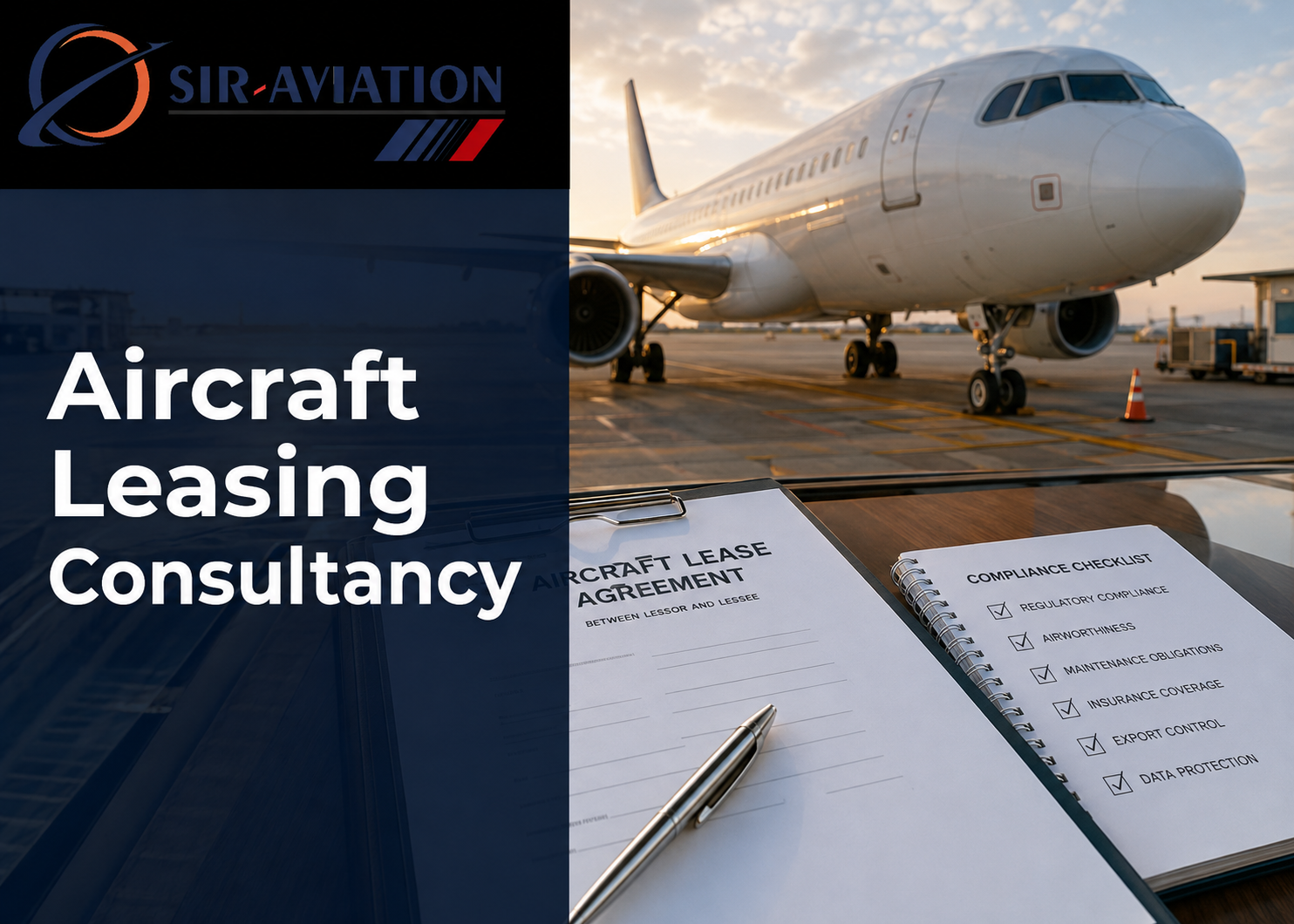
Aircraft acquisition through leasing requires far more than selecting a suitable aircraft and agreeing on a monthly rental. Airlines, charter operators, aircraft owners, financiers, and investors must evaluate technical condition, commercial obligations, regulatory requirements, insurance provisions, maintenance responsibilities, and return conditions. An experienced aircraft leasing consultancy helps stakeholders manage these interconnected areas while protecting their operational and financial interests. SIR Aviation provides specialist support throughout the leasing process, helping clients establish clear agreements, control risk, and maintain regulatory compliance.
Why Aircraft Leasing Requires Specialist Support
Leasing gives operators access to aircraft without committing significant capital to a direct purchase. It may help an airline expand capacity, introduce new routes, replace ageing aircraft, or respond to seasonal demand. Despite these advantages, every lease creates long-term technical, legal, operational, and financial obligations.
An aircraft lease agreement may contain detailed provisions covering maintenance reserves, engine performance, component life, airworthiness directives, records, insurance, modifications, utilisation limits, inspection rights, and return conditions. A provision that appears commercially acceptable may create a considerable financial burden if its technical implications are overlooked.
Specialist consultants bring commercial and technical considerations together. They examine whether the proposed aircraft matches the operator’s requirements, whether the contract distributes risk fairly, and whether both parties can meet their responsibilities throughout the lease period.
Types of Aircraft Lease Arrangements
The correct leasing structure depends on fleet strategy, operational capability, route plans, regulatory status, and financial resources. Each structure creates different responsibilities for the lessor and lessee.
Dry Lease
Under a dry lease, the lessor provides the aircraft without crew, maintenance support, or insurance. The lessee generally places the aircraft on its Air Operator Certificate and assumes responsibility for operation, crew, maintenance, and insurance.
Dry leases often suit established operators that possess the required infrastructure and regulatory approvals. Consultants help assess aircraft eligibility, technical status, maintenance exposure, delivery conditions, and contractual responsibilities before execution.
Wet Lease
A wet lease normally includes the aircraft, crew, maintenance, and insurance. The lessor retains operational control while the lessee uses the capacity for an agreed period.
Operators may choose this structure to cover seasonal demand, temporary fleet shortages, delayed deliveries, or route expansion. Regulatory approvals, operational control, crew qualifications, route permissions, and safety oversight require careful coordination.
Damp Lease
A damp lease resembles a wet lease but divides certain crew responsibilities between the parties. For example, the lessor may supply cockpit crew while the lessee provides cabin personnel.
Because responsibilities overlap, the agreement must define operational authority, training standards, scheduling, supervision, and regulatory accountability with precision.
Sale and Leaseback
In a sale-and-leaseback transaction, an operator sells an aircraft to a lessor and immediately leases it back. This arrangement may release capital while allowing the operator to continue using the aircraft.
The parties must evaluate valuation, rental commitments, maintenance reserves, tax implications, delivery status, security deposits, and return exposure. Independent support can help determine whether the transaction serves the operator’s financial and fleet objectives.
Aircraft Suitability and Lease Planning
A successful transaction begins with a clear operational requirement. Aircraft selection should reflect route length, passenger capacity, cargo demand, airport limitations, fuel efficiency, maintenance support, crew availability, and regulatory eligibility.
SIR Aviation helps clients define these requirements before approaching lessors or evaluating available assets. This prevents operators from pursuing aircraft that appear attractive commercially but do not fit their network or technical infrastructure.
Lease planning may include:
- Aircraft type and configuration assessment
- Fleet compatibility analysis
- Route and airport suitability checks
- Required delivery schedule
- Expected annual utilisation
- Maintenance support availability
- Crew training implications
- Regulatory acceptance
- Lease duration and extension options
- End-of-lease transition planning
Clear planning creates a reliable basis for aircraft searches, negotiations, inspections, and financial evaluation.
Reviewing Aircraft Lease Agreements
The lease agreement determines how risk, cost, control, and responsibility are divided. Each clause should align with the commercial proposal, aircraft condition, maintenance programme, applicable regulations, and operational plan.
Rental and Payment Terms
The contract should specify rent, payment dates, escalation provisions, security deposits, late-payment consequences, and applicable taxes. It should also address payment obligations during grounding, maintenance events, regulatory restrictions, or force majeure situations.
Maintenance Reserves
Maintenance reserves are payments collected to cover future major maintenance events. They may apply to engines, landing gear, auxiliary power units, airframe checks, and life-limited components.
Consultants assess reserve rates against utilisation assumptions, maintenance status, shop-visit forecasts, and expected costs. The agreement should clearly state when reserves may be claimed, which documents support reimbursement, and what happens to unused balances.
Operational Limitations
Lease agreements may restrict geographic operation, airport categories, flight hours, flight cycles, subleasing, charter activity, or changes in operational control. These limitations must support the lessee’s intended network.
If the operator expects to enter new markets or change utilisation patterns, suitable flexibility should be negotiated before signing.
Maintenance Responsibilities
The contract must identify approved maintenance programmes, permitted facilities, reporting requirements, modification controls, and responsibility for mandatory inspections.
Ambiguous maintenance clauses can cause disputes over repair standards, replacement parts, component condition, or reimbursement. Technical review helps align contractual wording with actual maintenance practices.
Insurance Requirements
Aircraft leases usually demand hull insurance, liability coverage, war-risk protection, and additional insured status for specified parties. The agreement may also require agreed-value coverage and insurer notices before cancellation or material changes.
Consultants can coordinate with insurance advisers to confirm that the required coverage is commercially obtainable and appropriate for the aircraft’s operation.
Default and Termination
Default provisions describe events that allow one party to demand corrective action, terminate the lease, repossess the aircraft, or seek financial remedies. These provisions may cover missed payments, insolvency, loss of regulatory approval, insurance failures, unauthorised operation, or serious maintenance breaches.
The consequences should remain proportionate and should include practical cure periods where appropriate.
Technical Due Diligence Before Lease Acceptance
Technical due diligence confirms whether the physical aircraft and its records match the contractual description. A low rental rate may not offer genuine value if the aircraft requires costly maintenance shortly after delivery.
A technical review commonly covers:
- Airframe age, hours, and cycles
- Engine status and performance
- Life-limited component remaining life
- Landing gear condition
- Auxiliary power unit status
- Upcoming scheduled maintenance
- Airworthiness directive compliance
- Service bulletin incorporation
- Damage and repair history
- Modification status
- Cabin configuration
- Aircraft records and traceability
Physical inspection and records review should complement each other. An aircraft may appear visually acceptable while its documentation contains gaps that affect airworthiness, asset value, or future redelivery.
Importance of Aircraft Records
Aircraft records provide evidence of maintenance, component history, regulatory compliance, and continuing airworthiness. Missing or inconsistent records may delay delivery, restrict operation, reduce value, or prevent the aircraft from meeting return conditions.
Consultants review logbooks, certificates, task cards, shop reports, component records, modification documents, weight-and-balance data, and status reports. They also identify discrepancies requiring correction before acceptance.
Record requirements should be agreed early. Waiting until delivery to identify missing documents can cause unnecessary delays and commercial disputes.
Regulatory Compliance in Aircraft Leasing
Aircraft leases may involve several jurisdictions, particularly when the lessor, lessee, aircraft registry, operator, and financing parties are based in different countries. Every transaction must account for the regulations applicable to registration, operation, maintenance, safety, and cross-border transfer.
Compliance planning may involve:
- Civil aviation authority approvals
- Aircraft registration or deregistration
- Air Operator Certificate requirements
- Import and export procedures
- Customs documentation
- Airworthiness certification
- Maintenance programme approval
- Radio licensing
- Noise and emissions standards
- Crew licensing and validation
- Operational specifications
- Insurance certification
SIR Aviation assists clients in coordinating these requirements with the relevant aviation authorities and transaction participants. Early regulatory review reduces the risk of an aircraft being commercially committed but unable to enter service on schedule.
Aircraft Delivery Coordination
Delivery marks the point at which the lessee accepts the aircraft and assumes defined responsibilities. A structured delivery process ensures that technical, contractual, financial, and regulatory conditions have been satisfied.
Consultants may coordinate inspections, test flights, document reviews, discrepancy closure, acceptance certificates, insurance confirmation, payment conditions, and physical transfer. A delivery checklist provides visibility over every requirement and identifies the party responsible for completion.
Open discrepancies should be documented with agreed remedies, deadlines, and financial treatment. Informal assurances may be difficult to enforce once the aircraft has entered service.
Managing Compliance Throughout the Lease
Compliance does not end after delivery. The lessee must continue meeting contractual and regulatory requirements throughout the lease term.
Ongoing lease management may include:
- Monitoring payment obligations
- Tracking maintenance reserve balances
- Submitting utilisation reports
- Reviewing maintenance status
- Managing modification approvals
- Monitoring insurance validity
- Maintaining records
- Reporting incidents
- Coordinating lessor inspections
- Preparing for scheduled maintenance
- Reviewing regulatory changes
- Forecasting return exposure
Regular monitoring helps identify problems while corrective action remains practical. It also supports stronger communication between lessor and lessee.
Preparing for Aircraft Redelivery
Redelivery can become one of the most expensive stages of a lease. Return conditions may require specific maintenance status, component life, engine performance, aircraft configuration, cosmetic condition, and records quality.
Preparation should begin well before the scheduled return date. Consultants compare the current aircraft condition with contractual requirements and develop a redelivery plan covering maintenance inputs, inspections, records assembly, repainting, configuration changes, and discrepancy correction.
A redelivery forecast also helps the operator budget for expected work. Without early planning, maintenance facility limitations or component shortages may delay return and trigger additional rent.
Risk Areas That Require Close Attention
Aircraft leasing transactions may face several avoidable risks:
- Unrealistic delivery schedules
- Incomplete maintenance records
- Unfavourable reserve arrangements
- Expensive return conditions
- Unclear operational control
- Conflicting regulatory requirements
- Inadequate insurance
- Restrictive utilisation limits
- Unapproved modifications
- Unresolved technical discrepancies
- Poorly defined default provisions
- Currency and payment exposure
Independent evaluation allows stakeholders to identify these issues before they become binding obligations.
How SIR Aviation Supports Leasing Transactions
SIR Aviation supports aircraft owners, operators, investors, and aviation businesses through each stage of a leasing transaction. The consultancy approach connects operational requirements with technical evidence, contractual obligations, and regulatory expectations.
Services may include:
- Aircraft requirement assessment
- Market and asset evaluation
- Lease structure selection
- Commercial term review
- Technical due diligence
- Aircraft records assessment
- Maintenance exposure analysis
- Lease agreement coordination
- Regulatory compliance planning
- Delivery and acceptance support
- Lease administration
- Redelivery planning
- Stakeholder coordination
Each assignment can be tailored to the aircraft type, lease structure, jurisdiction, transaction size, and client objective.
Value of Independent Leasing Advice
Independent support gives decision-makers a clearer view of both immediate costs and long-term obligations. Consultants can identify whether attractive headline terms conceal technical exposure, restricted operations, excessive maintenance commitments, or demanding return requirements.
For lessors, professional oversight helps protect asset value and verify that the aircraft remains operated and maintained according to agreed standards. For lessees, it supports fairer risk allocation, realistic budgeting, smoother entry into service, and more predictable redelivery.
The purpose is not merely to complete a transaction. It is to create a workable lease relationship supported by accurate information, clear responsibilities, and consistent compliance.
Conclusion
Aircraft leasing combines commercial negotiation, technical assessment, regulatory coordination, and long-term asset management. Weakness in any one area can lead to delays, unexpected costs, operational disruption, or disputes. SIR Aviation helps clients evaluate aircraft, review lease obligations, manage compliance, coordinate delivery, and prepare for redelivery. With structured professional support, stakeholders can make informed decisions and build lease arrangements that protect both operational continuity and aircraft value.
Frequently Asked Questions
When should an operator appoint an aircraft leasing consultancy?
An operator should seek specialist support before selecting an aircraft or agreeing to commercial terms. Early involvement allows consultants to assess fleet suitability, technical condition, maintenance exposure, regulatory eligibility, and contract obligations before the operator makes a binding commitment.
Can an aircraft leasing consultancy help with regulatory approvals?
Yes. Consultants can help identify applicable registration, airworthiness, operational, maintenance, insurance, import, export, and authority approval requirements. They can also coordinate documents and communication between the operator, lessor, aviation authorities, maintenance organisations, and other transaction participants.
Why is technical due diligence important before signing a lease?
Technical due diligence verifies the aircraft’s physical condition, maintenance status, component life, modification history, and records. It reveals upcoming costs and compliance concerns that may not appear in commercial proposals. These findings help clients negotiate suitable terms and avoid unexpected obligations after delivery.